FaceTime Like a Pro
Get our exclusive Ultimate FaceTime Guide 📚 — absolutely FREE when you sign up for our newsletter below.

FaceTime Like a Pro
Get our exclusive Ultimate FaceTime Guide 📚 — absolutely FREE when you sign up for our newsletter below.


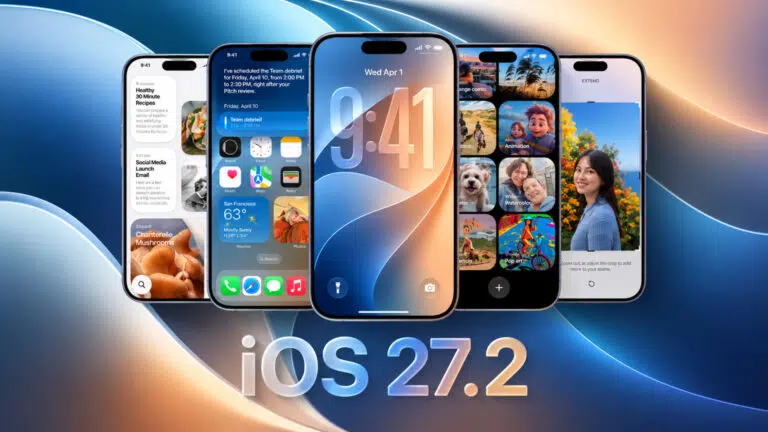
Apple's iOS 27 keeps Liquid Glass but may finally add the system-wide intensity slider that was cut from iOS 26.
Apple does not plan significant design changes to Liquid Glass in iOS 27, according to Mark Gurman’s Power On newsletter. The latest internal builds of iOS 27 and macOS 27 show no major departures from the translucent design language introduced with iOS 26, with Apple instead targeting gradual refinements over multiple release cycles.
Liquid Glass, which debuted as a system-wide visual framework in iOS 26, drew sustained criticism from users over readability issues, particularly around text legibility on translucent surfaces. Despite that feedback, Apple’s current development trajectory for iOS 27 does not include sweeping design revisions. Gurman characterizes the expected pace of change as “years of gradual improvements,” reflecting the significant engineering investment the design required.
Apple has incrementally expanded user control over Liquid Glass since launch. iOS 26.1 introduced a Tinted display mode offering reduced transparency, and iOS 26.4 added an option to disable Liquid Glass highlights entirely. iOS 27 is expected to continue that pattern rather than reverse course.
One specific feature remains under active development: a system-wide slider that would allow users to continuously adjust the intensity of the glass effect across the entire operating system, including the home screen, app folders, and navigation bars. Apple implemented a version of this control for the lock screen clock in iOS 26 but encountered engineering obstacles that prevented it from being extended across all system elements before release.
Whether the feature ships in iOS 27 depends on resolving those engineering challenges alongside broader stability work. If it does, it would give users finer control than the current binary choice between the Clear and Tinted options.
Alan Dye, the design executive who oversaw Liquid Glass’s development, left Apple in late 2024 to join Meta. Steve Lemay succeeded him as design lead. The current iOS 27 builds suggest Lemay’s team is continuing within the design framework Dye established rather than reorienting it.
iOS 27, macOS 27, and watchOS 27 are expected to be announced at Apple’s Worldwide Developers Conference, with this year’s release cycle reported to prioritize performance and system stability.