FaceTime Like a Pro
Get our exclusive Ultimate FaceTime Guide 📚 — absolutely FREE when you sign up for our newsletter below.

FaceTime Like a Pro
Get our exclusive Ultimate FaceTime Guide 📚 — absolutely FREE when you sign up for our newsletter below.


WWDC 2026 is shaping up to be a refinement-focused update. From iOS 27 improvements to smarter AI and possible foldable iPhone hints, here’s everything to expect.
 ByVikhyat
Apple’s biggest software event of the year is getting closer, and the conversation around WWDC 2026 has already started to take shape. The company hasn’t shared official dates yet, but all signs point to its usual early June window, with the keynote expected to land in the second week of the month.
What is more interesting than the timing, though, is the shift in focus.
This year’s updates, led by iOS 27, are not expected to chase dramatic redesigns or headline-grabbing features. Instead, Apple appears to be entering a phase where refinement, intelligence, and long-term platform stability take priority.
Apple has consistently scheduled WWDC in the first half of June, and this year is expected to follow the same pattern. Based on this trend, the event could run from June 8 through June 12, with the keynote taking place on the opening day.
Apple typically confirms the dates toward the end of March, so an official announcement should arrive soon.
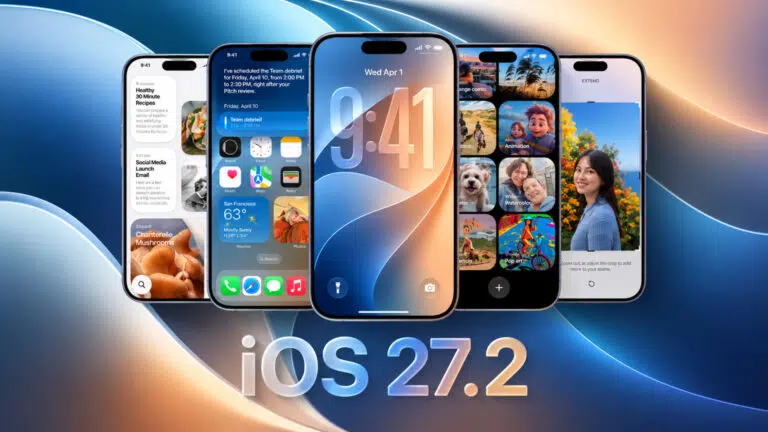
This year’s iOS update does not appear to be about bold visual changes. Instead, iOS 27 is expected to focus on improving performance, reducing bugs, and delivering a more stable experience overall.
Apple has taken this approach before with polish updates that refine the system after multiple feature-heavy releases. The aim here is to make everyday interactions faster and more reliable without changing the core experience.
Artificial intelligence is likely to remain a major theme at WWDC 2026. Reports suggest that Siri could become more context-aware, backed by deeper integration with Apple Intelligence features.
Rather than introducing flashy additions, Apple is expected to focus on making AI more useful in real-world scenarios, while continuing its emphasis on on-device processing for privacy.
The existing Liquid Glass design language is expected to stay in place. Apple may instead refine elements such as readability, contrast, and overall interface consistency.
This signals a shift toward polishing the current design rather than introducing a completely new visual direction.
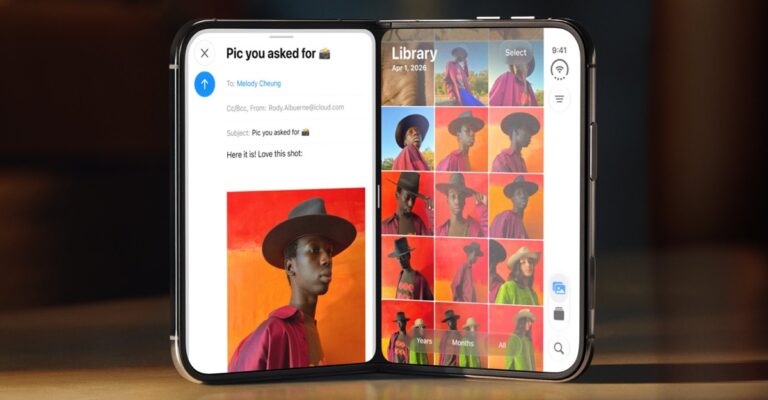
iOS 27 could also include early groundwork for future hardware (iPhone Fold). Some reports point to early internal support for foldable displays, suggesting Apple is preparing its software for new form factors that could arrive later in 2026.
Try: Download the WWDC 2026 wallpapers in 4k
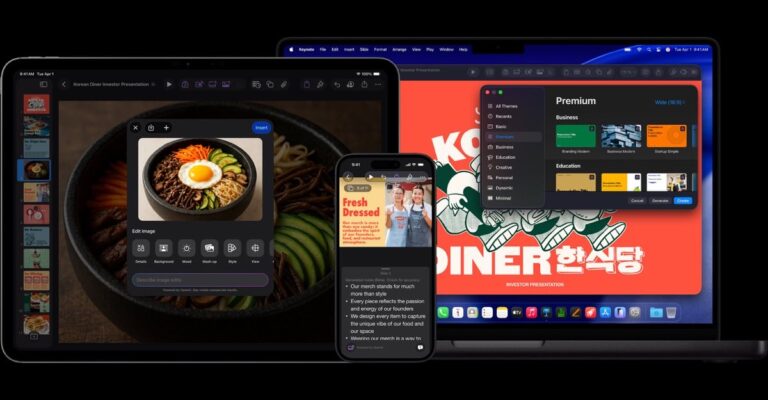
Alongside iOS 27, Apple is expected to unveil updates across macOS, iPadOS, watchOS, visionOS, and tvOS, continuing its ecosystem-wide evolution.
WWDC 2026 may not be about dramatic announcements. Instead, it appears to be a transition phase focused on stability, intelligence, and long-term improvements.
What would you like Apple to improve in iOS 27? Drop your thoughts below.