FaceTime Like a Pro
Get our exclusive Ultimate FaceTime Guide 📚 — absolutely FREE when you sign up for our newsletter below.

FaceTime Like a Pro
Get our exclusive Ultimate FaceTime Guide 📚 — absolutely FREE when you sign up for our newsletter below.


Apple’s first earnings under CEO John Ternus set a September-quarter record, but rising memory costs pushed its December margin forecast below what Wall Street expected.
Apple reported its fiscal fourth-quarter results on Monday, November 2. Revenue, which is the total money from sales before any costs come out, reached $114.5 billion for the three months that ended September 26. That was up 12% from $102.5 billion a year earlier, or about $12 billion more.
I’d give Apple credit for landing above its own July forecast of 9% to 11% growth. It was also a record for a September quarter. This was the first earnings report with John Ternus as CEO, after he took over from Tim Cook on September 1.
Earnings per share, which is profit for each share of Apple stock, rose 14% to $2.10. Net income, the company’s total profit after all costs, was $30.7 billion.
Part of that per-share gain came from tariff refunds, which are money returned on import taxes Apple had already paid. Those refunds added about 5 cents per share. Without them, the per-share gain would be closer to 11%. That is my math from the reported figures, not a number Apple gave.
iPhone revenue rose 17% to $57.58 billion, up from $49.03 billion. That was about half of everything Apple sold, and another September-quarter record.
The quarter only had nine days of iPhone 18 Pro and Pro Max sales, which started September 18. Setting a record with just nine days of those sales is a good sign for the holiday quarter.
Mac was the surprise of the quarter. Its revenue rose 24% to $10.79 billion, the fastest growth of any product line. Greater China revenue rose 21% to $17.54 billion, a September-quarter record that Ternus pointed out on the call.
iPad revenue fell 10% to $6.23 billion. CFO Kevan Parekh, who runs Apple’s finances, blamed supply limits and a tough comparison with last year’s A16 iPad launch.
Wearables, Home and Accessories fell 8% to $8.30 billion. That category covers products such as Apple Watch and AirPods. Parekh tied the drop to last year’s Apple Watch SE 3 and AirPods Pro 3 launches.
Apple Watch Series 12, Apple Watch Ultra 4, and AirPods 5 went on sale for the last nine days of the quarter, which is about a tenth of the quarter. That is a short window to win back lost sales.
Services, which covers the App Store, iCloud, Apple Music, and other paid services, hit an all-time high of $31.57 billion. That is up about 10% from $28.75 billion.
Services grew 12% in the June quarter. Apple blamed App Store rule changes and weaker mobile gaming for the slower pace that followed.
Services also earns far more per dollar than products. Apple’s financial statements show it kept about 76 cents of each Services dollar after direct costs. That share is called gross margin. For products, the figure is about 37 cents.
That makes a slowdown in Services a bigger worry for profit than a weak iPad quarter. I’d watch Services more closely than the iPad numbers. Apple expects Services to grow 8% to 9% in the December quarter, citing licensing deals with outside companies and currency changes.
Memory chips are the parts that hold data while a device runs, and their prices are climbing. That is squeezing Apple’s margins, which is the share of each sale it keeps after direct costs.
Total gross margin was 47.9%, inside the 47% to 48% range Apple had forecast. In plain terms, Apple kept about 48 cents of each sales dollar after direct costs. About one percentage point of that came from tariff refunds, though. The June quarter’s 50.1% included about two points of refunds.
Parekh said that without refunds in both quarters, margin would have dropped about a point from June, mostly because of higher memory costs.
The next quarter looks worse. Apple forecast gross margin of 45% to 46% for December. It tied that to higher memory costs and some costs from ramping up Siri AI. Ternus called current memory pricing “unprecedented” and said costs will keep rising past December.
Shoppers have already felt part of this. In June, Apple raised prices on Macs, iPads, Apple TV, HomePod, and Vision Pro because of the memory shortage, and iPhone prices followed in September. On the call, Apple said it did so reluctantly.
Wall Street focused on that margin. Apple beat estimates of $113.4 billion in revenue and $1.99 per share, CNBC reported, but shares still fell about 3% after hours. The margin forecast came in below the 46.3% that analysts had expected.
I’d watch that margin forecast more than the revenue record. At 45% to 46%, Apple keeps less from each sales dollar than the 47.9% it kept this quarter.
Operating expenses, the day-to-day costs of running the company, also rose, up 21% to $19.19 billion.
Ternus said AI features that run on Apple’s servers, including Siri AI, will get usage limits. Extra access can be bought later. Apple gave no prices and no limit numbers.
Until those numbers show up, I’d assume Siri AI comes with a meter on it. Check the limits once Apple publishes them before you count on the feature.
Apple forecast December-quarter revenue growth of 7% to 10%. Against the $143.8 billion it made in last year’s December quarter, that works out to roughly $154 billion to $158 billion. Parekh said that would be Apple’s best revenue quarter ever. He tied the range to what Apple calls its “best view of constrained supply.”
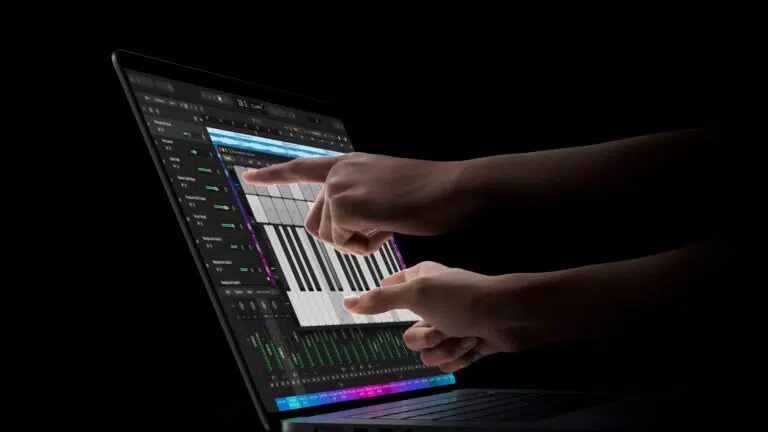
Memory is the limit on Mac and iPad, where Apple expects supply constraints in the December quarter. Ternus listed the holiday lineup as the foldable iPhone Duo, iPhone 18 Pro and Pro Max, new home hardware, Touch on Mac, and Siri AI. The touchscreen MacBook Pro, which brings touch to the Mac for the first time, ships November 6 starting at $2,899.
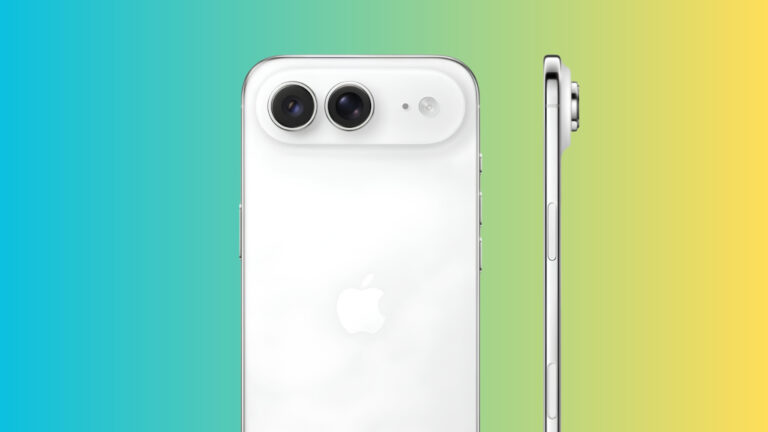
The iPhone Duo went on sale October 23 starting at $1,999, so its early sales all fall in the December quarter. Apple says it is still supply-constrained and hard to predict when supply and demand will balance. If you want one for the holidays, plan on waiting.

As an Amazon Associate, iGeeksBlog earns from qualifying purchases.