FaceTime Like a Pro
Get our exclusive Ultimate FaceTime Guide 📚 — absolutely FREE when you sign up for our newsletter below.

FaceTime Like a Pro
Get our exclusive Ultimate FaceTime Guide 📚 — absolutely FREE when you sign up for our newsletter below.


Discover how Apple quickly tackled the 'Scratchgate' issue on iPhone 17 Pro display units with a simple silicone ring update, ensuring durability and peace of mind.


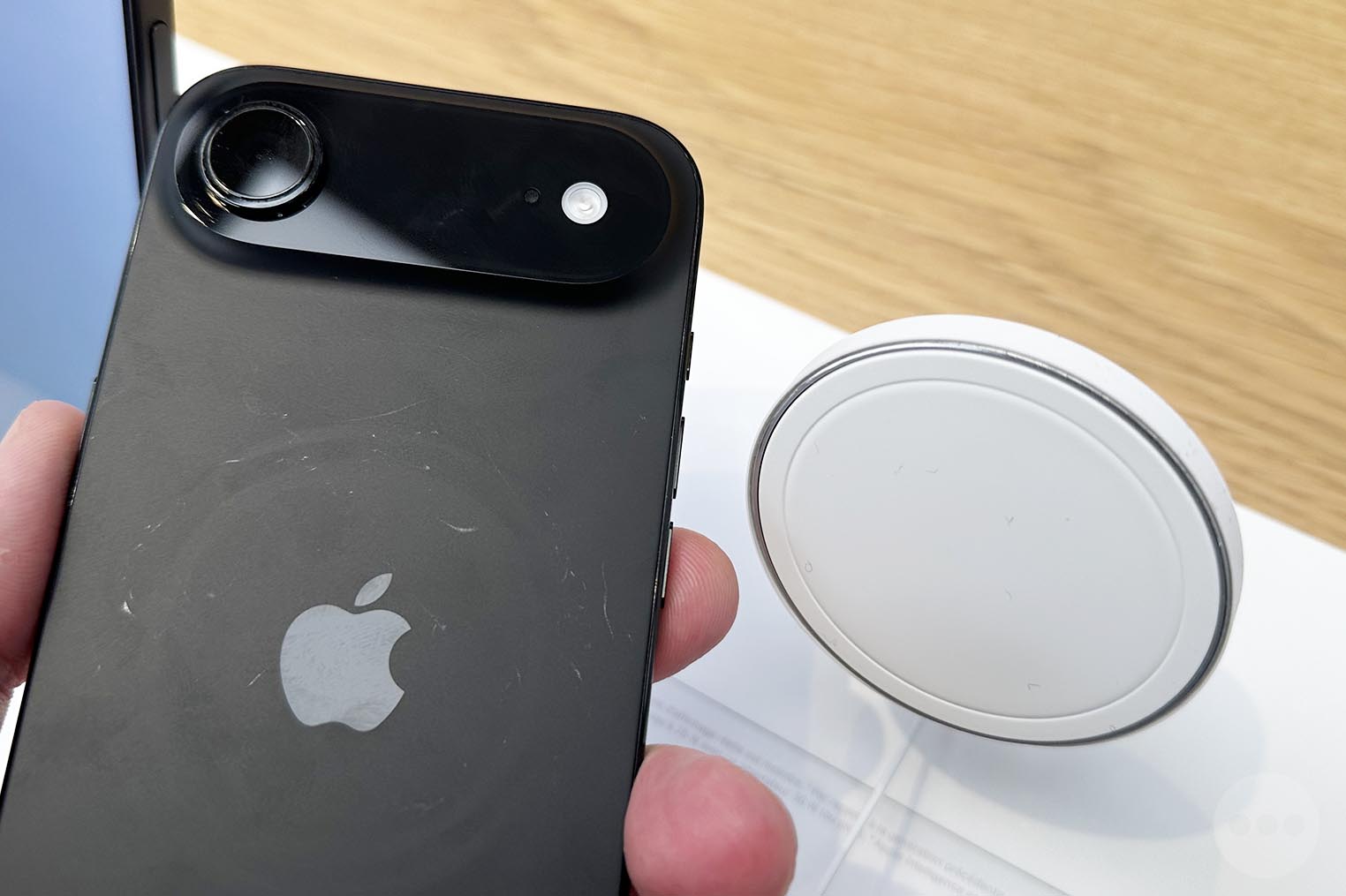
When people started spotting strange circular marks on iPhone 17 Pro display units in Apple Stores, the internet quickly named it “Scratchgate.” At first glance, it looked like the brand-new phones were scratching themselves just by sitting on MagSafe chargers. Apple has now addressed the issue, confirming it wasn’t scratching at all, and quietly rolled out a fix across stores.
According to Consomac, the marks seen on iPhone 17 Pro and iPhone 17 Pro Max display models came from worn-out MagSafe charging stands used in stores. Apple explained that the issue was caused by material transfer, not damage to the glass itself. Over time, the metal ring on older chargers rubbed against the phones, leaving behind visible residue, especially noticeable on darker models like Deep Blue or Cosmic Orange.
The company confirmed the same issue occasionally affected earlier models like the iPhone 16, but it became more obvious this year because of the iPhone 17 Pro’s new matte texture. Thankfully, Apple says these marks can be easily cleaned off, meaning the devices aren’t permanently damaged.
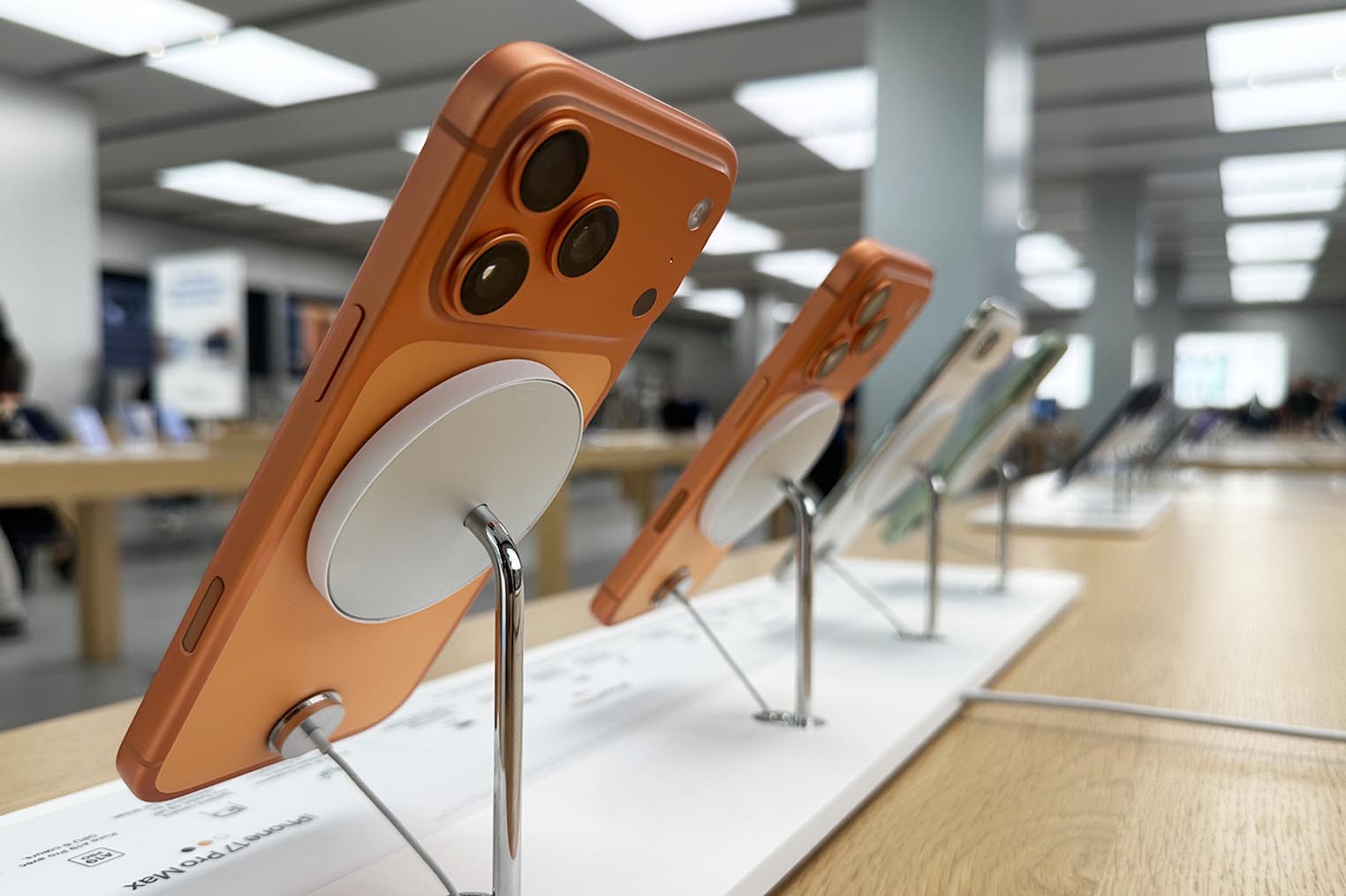
Apple’s solution is both simple and smart. The company quietly updated its in-store MagSafe stands with a soft silicone ring around the charger. This new ring acts as a buffer between the worn charger surface and the iPhone’s glass back, preventing further residue transfer. Apple also instructed store employees to replace worn MagSafe pads and clean demo units more frequently.
Some stores have reportedly started using new cleaning kits and solutions that can safely remove material buildup without affecting the iPhone’s coating. A few users even noted that a mild salt-water mix works to clean the marks, though Apple hasn’t officially endorsed that method.
Apple clarified that the issue is limited to retail demo units, which experience thousands of MagSafe connections daily, a level of wear normal users will never reach. So, for anyone buying a new iPhone 17 Pro, there’s no need to worry about similar marks appearing at home.
The controversy has also drawn attention to Apple’s latest design shift. The iPhone 17 Pro moved from titanium to aerospace-grade aluminum, which offers better heat dissipation but may show normal wear over time. Apple says this is comparable to the anodized finish on MacBooks and shouldn’t affect long-term durability.
What started as a viral “Scratchgate” moment ended up being a store-level hiccup. Apple’s fast action, adding silicone rings and refreshing in-store equipment, shows how quickly it can adapt when perception meets reality. For everyday users, the iPhone 17 lineup remains as durable as ever, with its Ceramic Shield 2 glass and new TechWoven cases offering extra protection.
So, if you see spotless iPhone 17 Pros on display next time you visit an Apple Store, you’ve got those tiny silicone rings to thank.