FaceTime Like a Pro
Get our exclusive Ultimate FaceTime Guide 📚 — absolutely FREE when you sign up for our newsletter below.

FaceTime Like a Pro
Get our exclusive Ultimate FaceTime Guide 📚 — absolutely FREE when you sign up for our newsletter below.


YouTube’s experimental search feature blends AI summaries with video results, allowing users to dig deeper through natural follow-up questions.
 ByVikhyat
YouTube is working on a new search feature that handles more complex queries and follow-up questions.
The platform is currently testing a new search experience that allows users to enter detailed prompts in natural language and get more structured results. Instead of returning a simple list of videos, the system can combine AI-generated summaries with relevant clips and full-length videos.
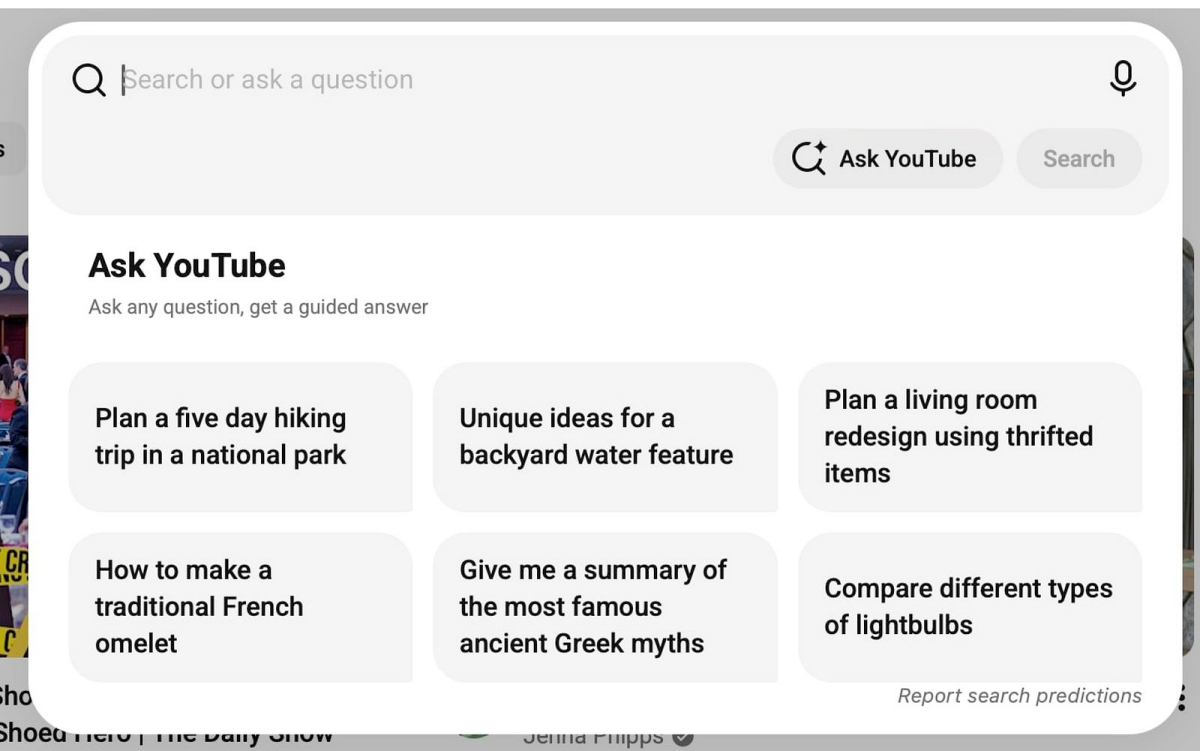
The feature is part of YouTube Labs, an experimental program available to YouTube Premium users in the United States. Subscribers who opt in can try it by entering a prompt in the search bar and selecting the “Ask YouTube” option.
Instead of a standard list of results, the interface returns a mix of AI-generated summaries along with relevant videos. It also highlights specific segments within videos, making it easier to jump to the most useful parts.
YouTube is positioning this as a more interactive way to search. For example, a query like planning a multi-day trip itinerary can return structured suggestions, along with video content that supports those ideas.
This is still in the testing phase and is limited to users who choose to enable it through YouTube Labs.
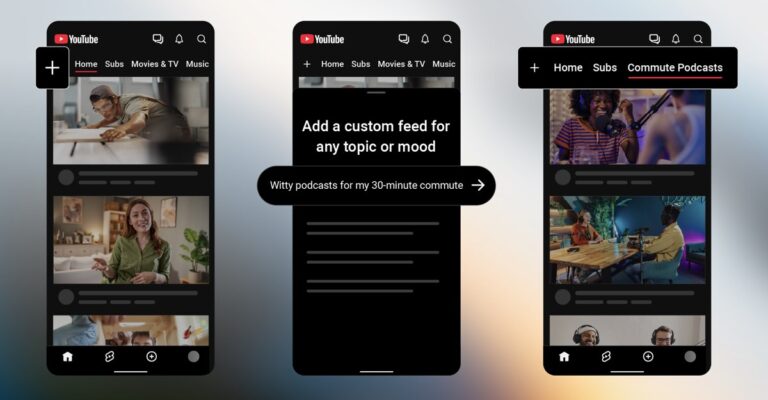
This test is one of several AI-focused features YouTube is experimenting with through YouTube Labs. The company is also trying out tools like Beyond the Beat in YouTube Music and VibeCheck, which gives feedback on YouTube Shorts before they are posted.
The conversational search feature is currently limited in availability and is expected to remain in testing until June 8. As with other Labs features, wider rollout will likely depend on how users respond during this phase.
Do you think conversational search makes things easier, or does it overcomplicate something that already works fine? Drop your take and join the discussion in the comments below.
Must read: What is YouTube Music’s lyrics-sharing feature?