FaceTime Like a Pro
Get our exclusive Ultimate FaceTime Guide 📚 — absolutely FREE when you sign up for our newsletter below.

FaceTime Like a Pro
Get our exclusive Ultimate FaceTime Guide 📚 — absolutely FREE when you sign up for our newsletter below.


Apple has detailed its AFM 3 model family, confirming Google collaboration, Google Cloud infrastructure, NVIDIA GPUs, and Private Cloud Compute for Cloud Pro.
Apple has given the clearest official look yet at the AI models behind its next Apple Intelligence push. In a new Machine Learning Research post, the company says its third-generation Apple Foundation Models are a five-model family “custom-built in collaboration with Google.”
That is the important wording. Apple is not presenting the system as Gemini with an Apple label. It is saying the new AFM 3 family is Apple’s model stack, built with Google’s help and split across on-device, Apple cloud, and higher-end cloud systems.
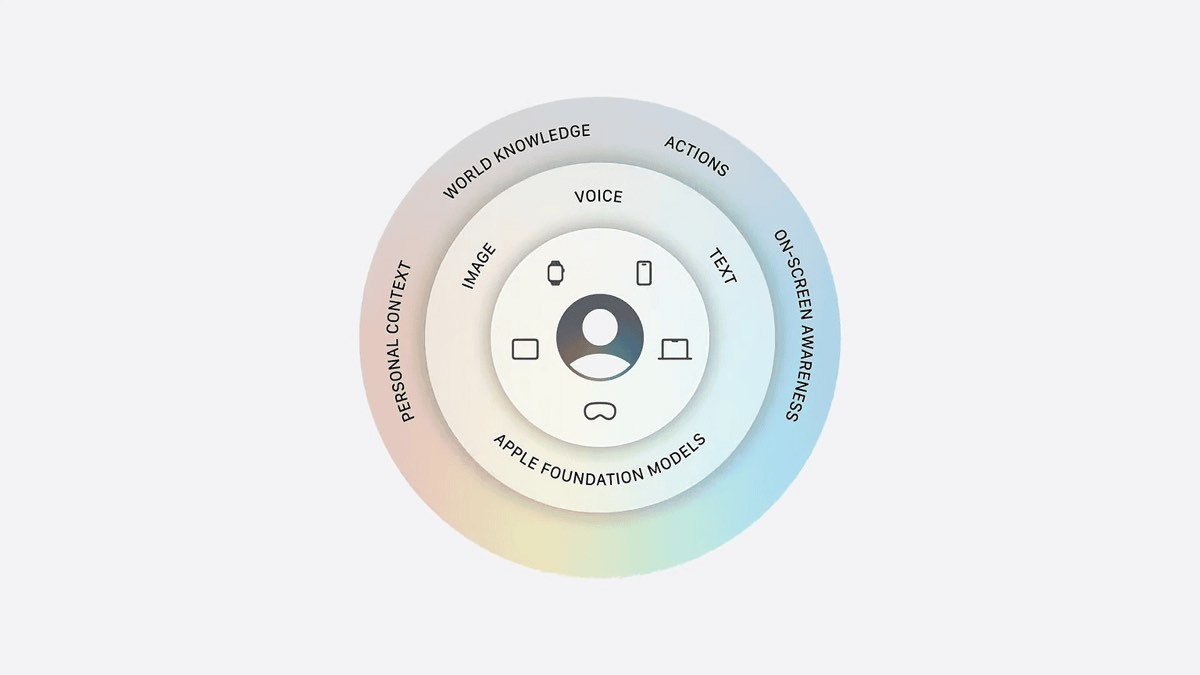
Apple’s new family starts with two on-device models. AFM 3 Core is the next version of its 3-billion-parameter dense model, while AFM 3 Core Advanced is a more capable 20-billion-parameter model that can activate only part of itself depending on the request.
The cloud side has three models:
That last model is where the Google connection gets more interesting. Apple says it worked with Google and NVIDIA to extend Private Cloud Compute to NVIDIA GPUs in Google Cloud for AFM 3 Cloud Pro, while keeping the same privacy guarantees it uses for Apple Intelligence requests.
This gives Apple a way to use more powerful cloud hardware without turning Apple Intelligence into a normal third-party cloud service. It also helps explain earlier reports around Gemini-backed Siri infrastructure, though Apple’s official post is more careful: it names Google collaboration, Google Cloud, and NVIDIA GPUs, not a plain Gemini handoff.
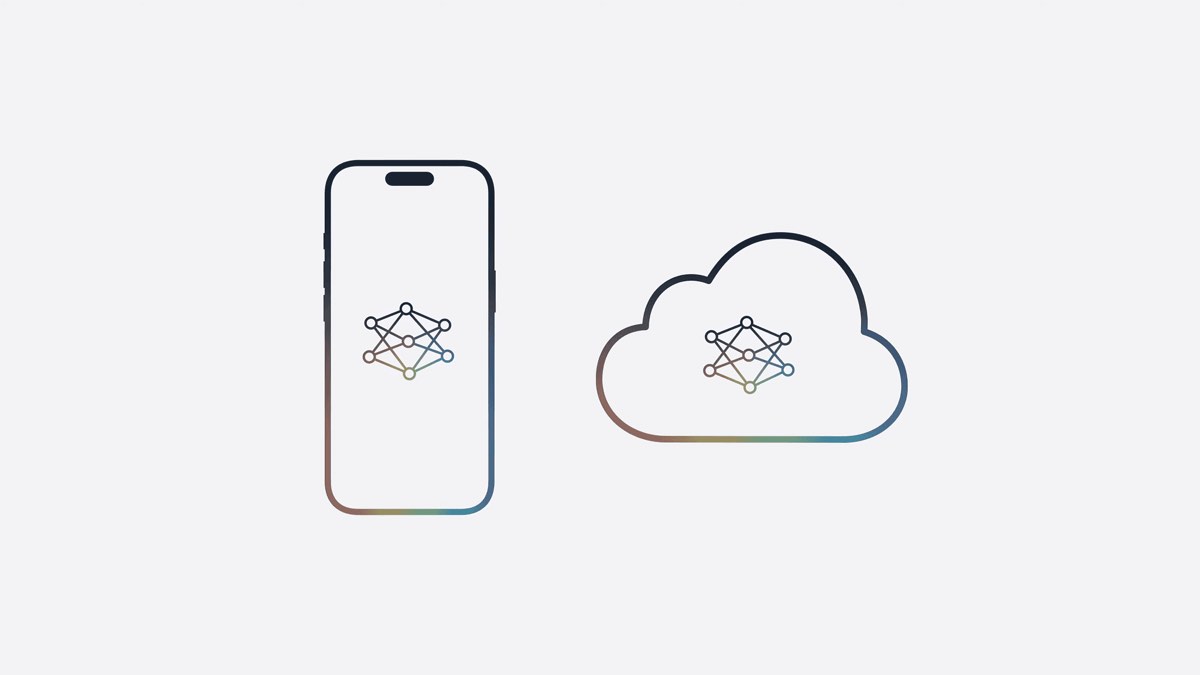
Apple says the server-based models run on Private Cloud Compute, and that user data is not stored or shared with anyone, including Apple. For AFM 3 Cloud Pro, the company is extending that privacy model beyond Apple silicon to NVIDIA GPUs in Google Cloud.
The training section follows the same privacy pitch. Apple says its models use a mix of public information, licensed or purchased data, open-source data, study data, and synthetic data. It also says it does not use users’ private personal data or user interactions to train the foundation models.
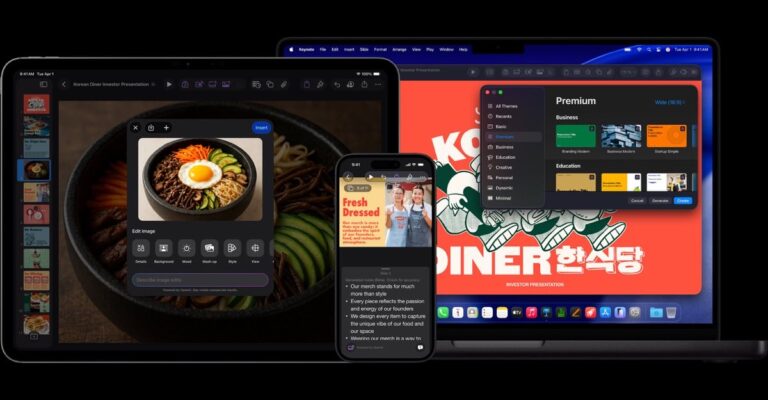
That distinction matters because the new Siri and Apple Intelligence features in iOS 27 are expected to handle more personal context, app actions, onscreen information, images, and longer reasoning tasks. The more useful Apple Intelligence becomes, the more Apple has to prove that outside infrastructure does not weaken its privacy promise.
AFM 3 Cloud Pro appears to be the model Apple will use when a request needs more reasoning than an on-device model can handle. Apple says it can power demanding use cases like agentic tool use and complex reasoning, which lines up with the broader iOS 27 Apple Intelligence upgrade centered on a rebuilt Siri.
For users, the simple version is this: some Apple Intelligence tasks will stay on the device, some will use Apple’s cloud models, and the hardest requests may use AFM 3 Cloud Pro through Google’s cloud infrastructure under Apple’s privacy layer.
Apple says it will share a fuller technical report later this summer. Until then, the official story is narrower than the loudest reading: Google’s role is real, but Apple is still trying to frame AFM 3 as its own controlled model family, not a wholesale outsourcing of Siri to Gemini.