FaceTime Like a Pro
Get our exclusive Ultimate FaceTime Guide 📚 — absolutely FREE when you sign up for our newsletter below.

FaceTime Like a Pro
Get our exclusive Ultimate FaceTime Guide 📚 — absolutely FREE when you sign up for our newsletter below.


Google I/O 2026 focused on the agentic Gemini era, with new AI models, Search agents, smart glasses, YouTube creation tools, and Workspace updates.
Google I/O 2026 was all about turning Gemini from a chatbot into an agent that can search, shop, browse, code, create videos, work across apps, and eventually live inside smart glasses.
Google published 24 official announcements from the event on May 19. The biggest ones are Gemini 3.5 Flash, Gemini Omni, new AI agents in Search, a 24/7 assistant called Gemini Spark, Android XR glasses, Universal Cart for shopping, Ask YouTube, Google Pics, new Chrome agent tools, and updated AI subscription plans.
The Android 17 story is slightly different. Google previewed many Android 17 and Gemini Intelligence features a week earlier at The Android Show: I/O Edition, so I/O 2026 itself was more about Gemini becoming the connective layer across Google’s products.
Google introduced Gemini 3.5 as its next model family, starting with Gemini 3.5 Flash. The company says the model is built for agentic workflows, long-horizon tasks, coding, and fast real-world responses.
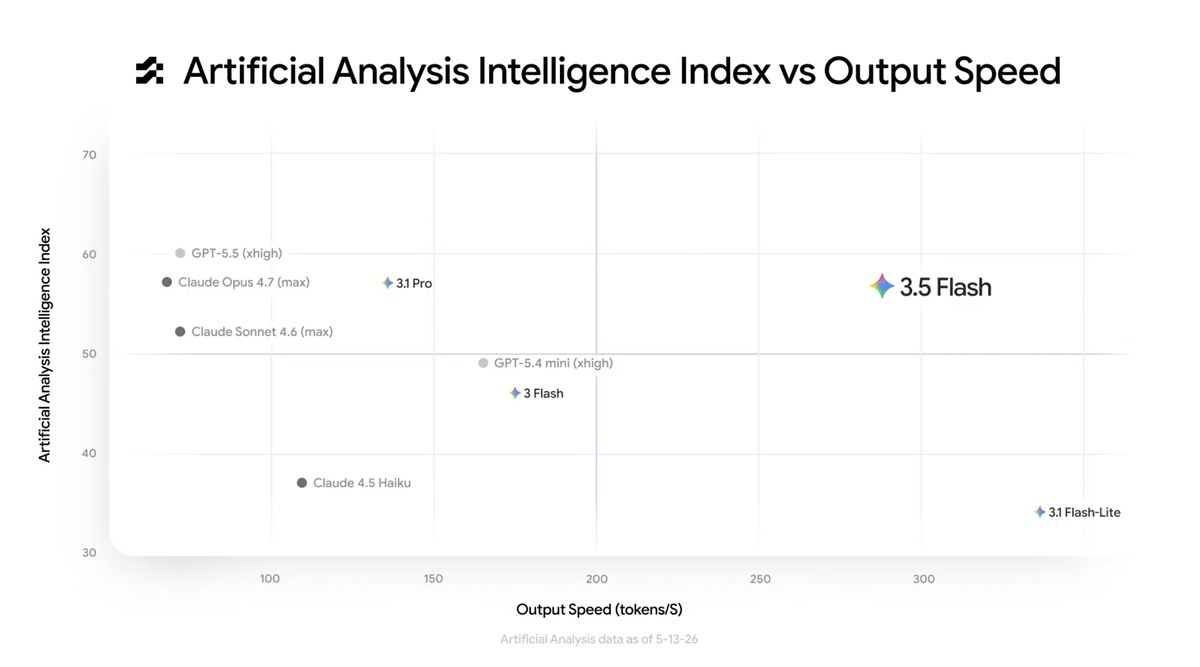
Gemini 3.5 Flash is available now in the Gemini app and AI Mode in Google Search. Developers can use it through Google Antigravity, the Gemini API in Google AI Studio, and Android Studio. Enterprise customers get it through Gemini Enterprise Agent Platform and Gemini Enterprise.
Google says Gemini 3.5 Pro is already being used internally and will roll out next month. That keeps the current release focused on Flash, which Google is pitching as the model that can do serious work without the slower response times or higher costs usually tied to frontier models.
The other major model announcement was Gemini Omni, a new multimodal model that starts with video generation and editing.
The first release, Gemini Omni Flash, can take text, images, video, and audio as input and generate or edit videos through natural language. Google says the model is rolling out to the Gemini app, Google Flow, and YouTube Shorts. Developers and enterprise customers will get API access in the coming weeks.
For creators, the important part is not only generating a new clip from a prompt. Google is also pushing conversational edits, where you can ask the model to change a scene, keep characters consistent, adjust the action, or transform existing footage without starting over.
The Gemini app is getting a new design language called Neural Expressive, plus more agent-like features.
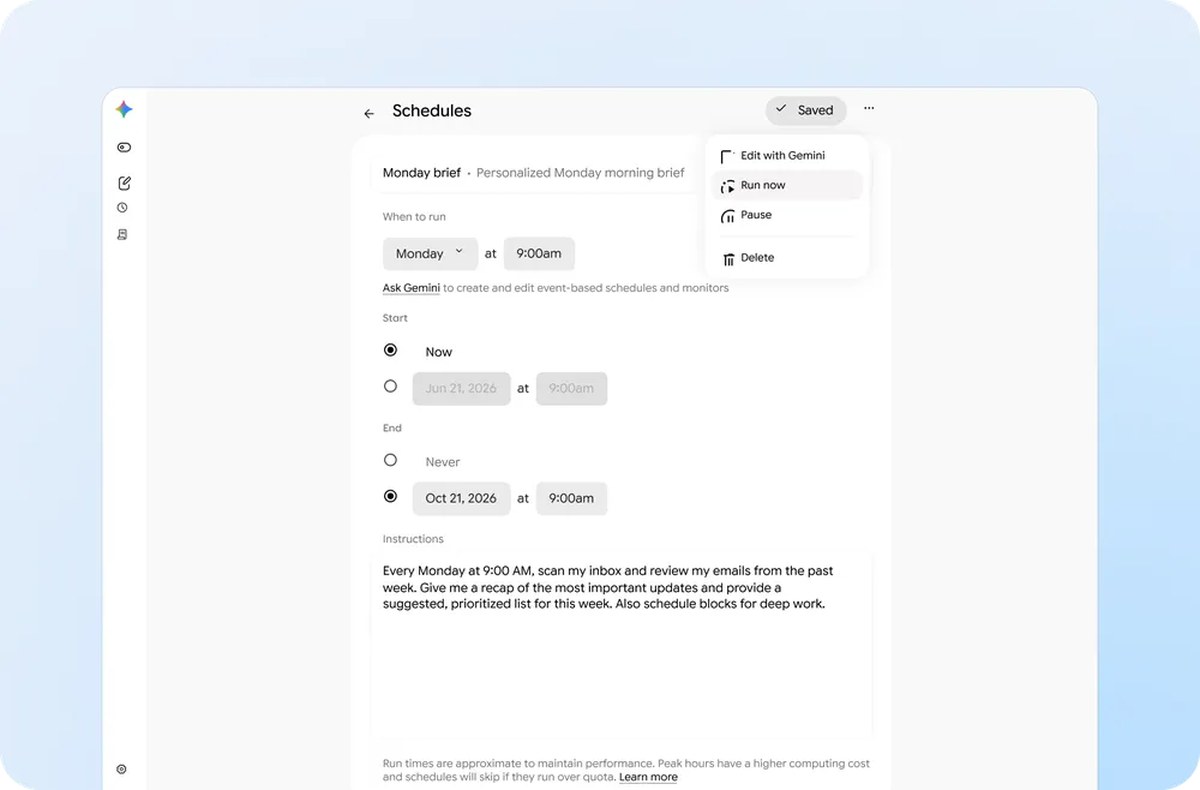
Daily Brief is Google’s new morning-summary agent. It is meant to pull together what you need to know at the start of the day, using personal context where you allow it. Gemini Spark is the bigger swing: a 24/7 personal AI agent that can help manage tasks and take actions under your direction.
Google also says the Gemini app for macOS is available to download today for all users. Spark integration and new voice features for the Mac app will roll out later this summer. That is a notable step after Google was earlier seen testing a Gemini app for Mac privately.
Search received some of the most practical updates. Google says AI Mode now uses Gemini 3.5 Flash as its default model globally, wherever AI Mode is available.
The Search box is also being redesigned with AI. It can expand so users can describe longer queries, accept text, images, files, videos, and Chrome tabs as inputs, and suggest better ways to ask questions. Google says this new intelligent Search box is starting to roll out now in countries and languages where AI Mode is available.
Google is also adding follow-up questions directly from AI Overviews, so a search can continue into a conversation with AI Mode while keeping context.
Then come Search agents. The first version, information agents, can monitor the web and Google’s real-time data for updates around a user’s specific request. Google says these will launch first for Google AI Pro and Ultra subscribers this summer.
Search will also expand agentic booking to more local experiences and services. In select categories such as home repair, beauty, and pet care, users in the U.S. will be able to ask Google to call businesses on their behalf this summer.
Shopping is getting a new Universal Cart, which works across merchants and Google surfaces including Search, Gemini, YouTube, and Gmail.
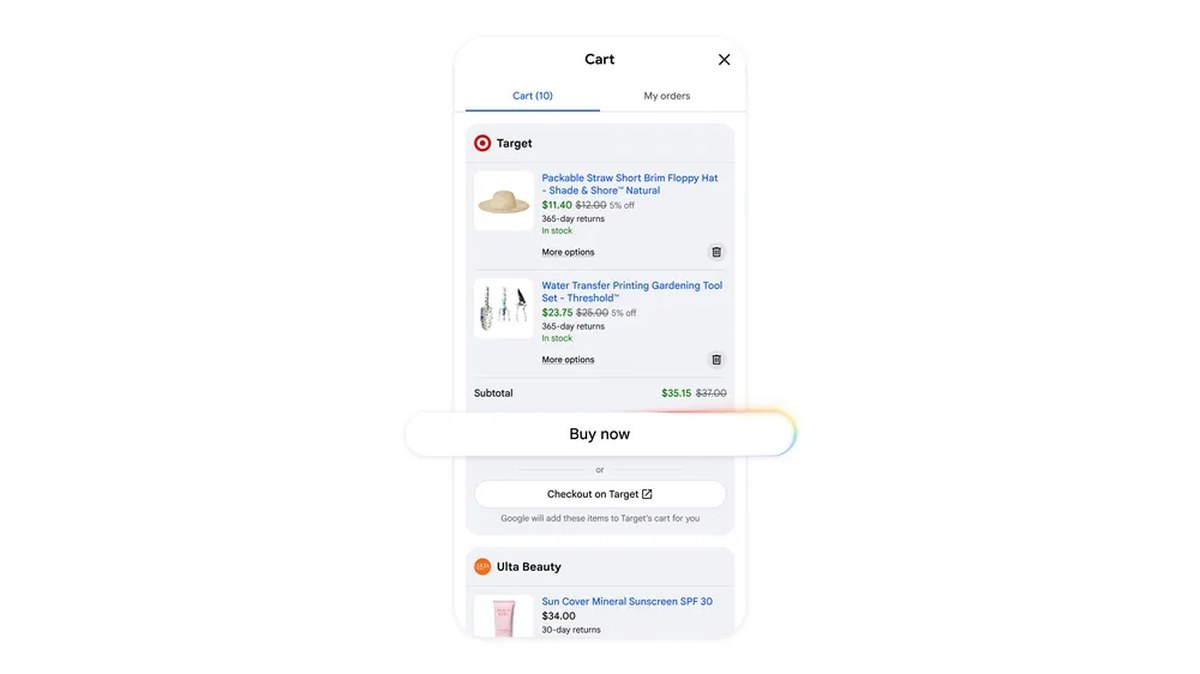
Once a user adds something to Universal Cart, Google says it can watch for deals, price drops, price history, restocks, product compatibility, loyalty perks, and merchant offers. If someone is building a PC, for example, the cart could flag incompatible parts before checkout.
Checkout will use Google Pay for supported merchants, or transfer items to the retailer’s site. Google named Nike, Sephora, Target, Ulta Beauty, Walmart, Wayfair, and Shopify merchants such as Fenty and Steve Madden among the brands tied to early select checkout features. Google says the brand remains the merchant of record.
Google also previewed intelligent eyewear built on Android XR, the platform it developed with Samsung and Qualcomm.
There will be two types: audio glasses, which provide spoken help, and display glasses, which show information in view. Audio glasses are launching first later this fall, with designs from Gentle Monster and Warby Parker.
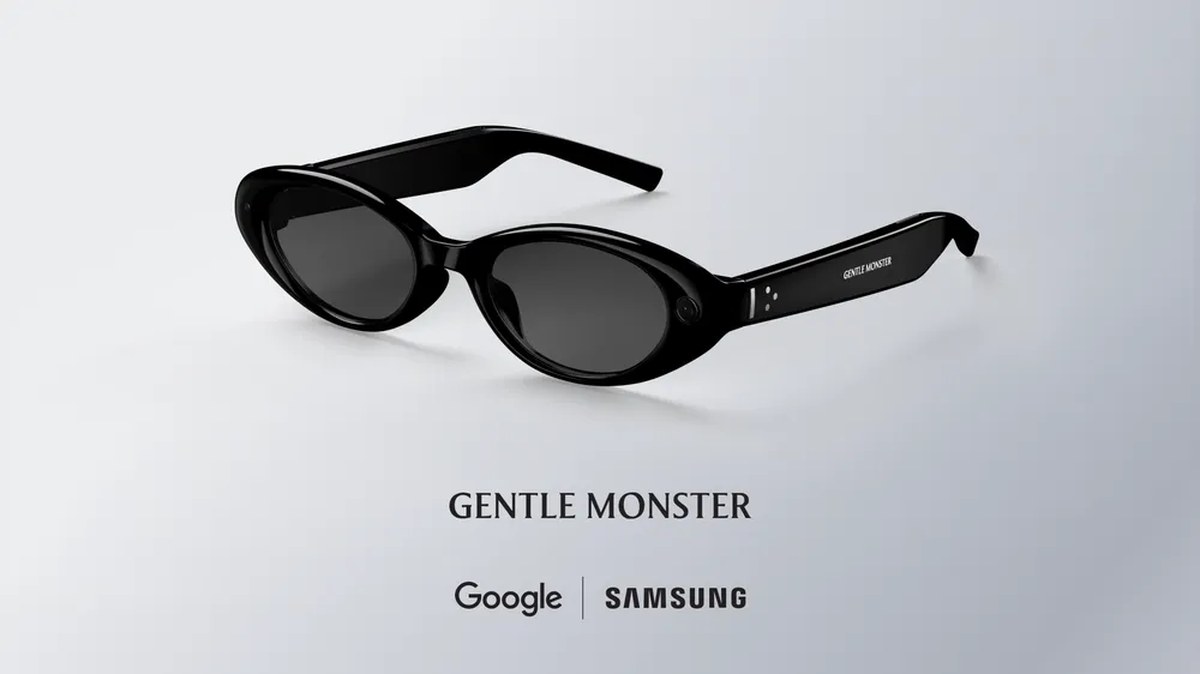
The glasses will support Gemini voice access, navigation, calls, texts, message summaries, photos and videos, image edits with Nano Banana, translation for speech and text, and app actions such as preparing a DoorDash order for final confirmation. Google says the glasses will pair with Android and iOS phones.
Google also previewed Android Halo, a small status area at the top of an Android phone screen that shows what an AI agent is doing. It will arrive later this year and work with Gemini Spark and other supported agents.
Google Workspace is getting a more conversational AI layer across Gmail, Docs, and Keep. In Google’s Workspace announcement, Gmail Live lets users ask spoken questions about their inbox, Docs Live turns spoken thoughts into drafts, and Keep can turn voice rambles into organized notes and lists.
These voice features are rolling out this summer to Google AI Pro and Ultra subscribers and in preview to Google Workspace business customers.
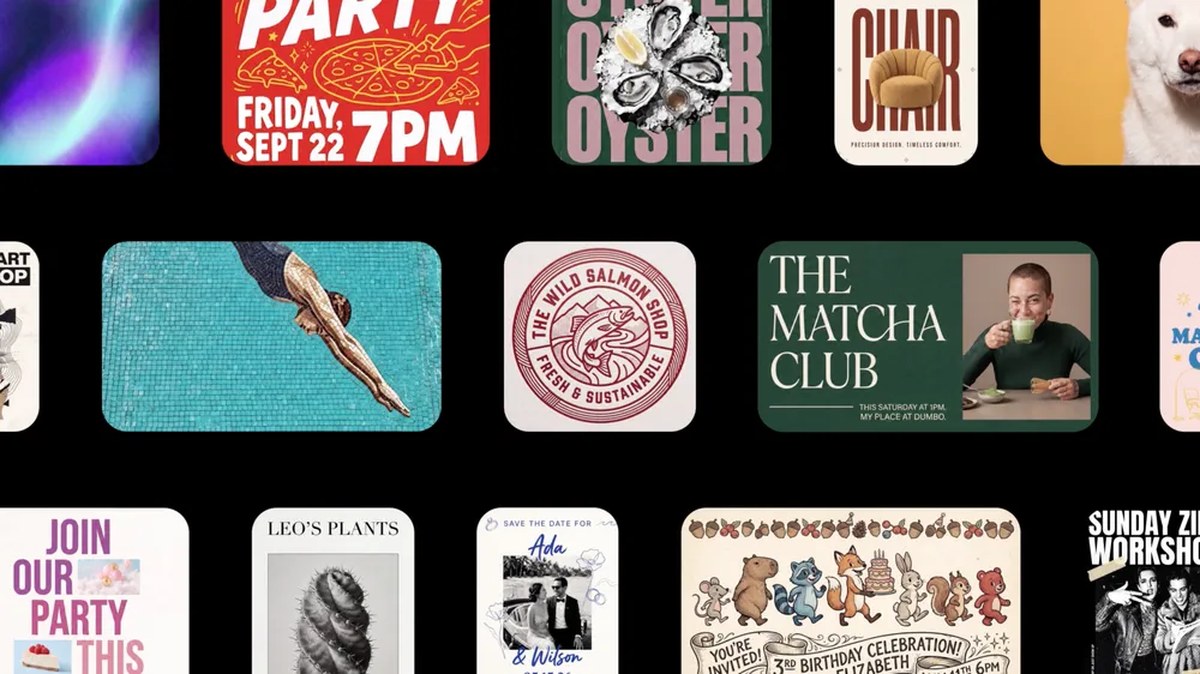
Google also introduced Google Pics, an image creation and editing app built on its latest Nano Banana model. It is aimed at people creating visuals for flyers, social media, illustrations, and everyday projects where small edits need more control than a one-shot prompt.
AI Inbox is expanding to Google AI Plus and Pro subscribers, while Gemini Spark will be able to connect with Workspace apps for people who allow that deeper context.
YouTube’s I/O news is split between search and creation. Ask YouTube is a conversational search experience that can handle longer questions, return structured answers, suggest relevant videos, and support follow-up questions.
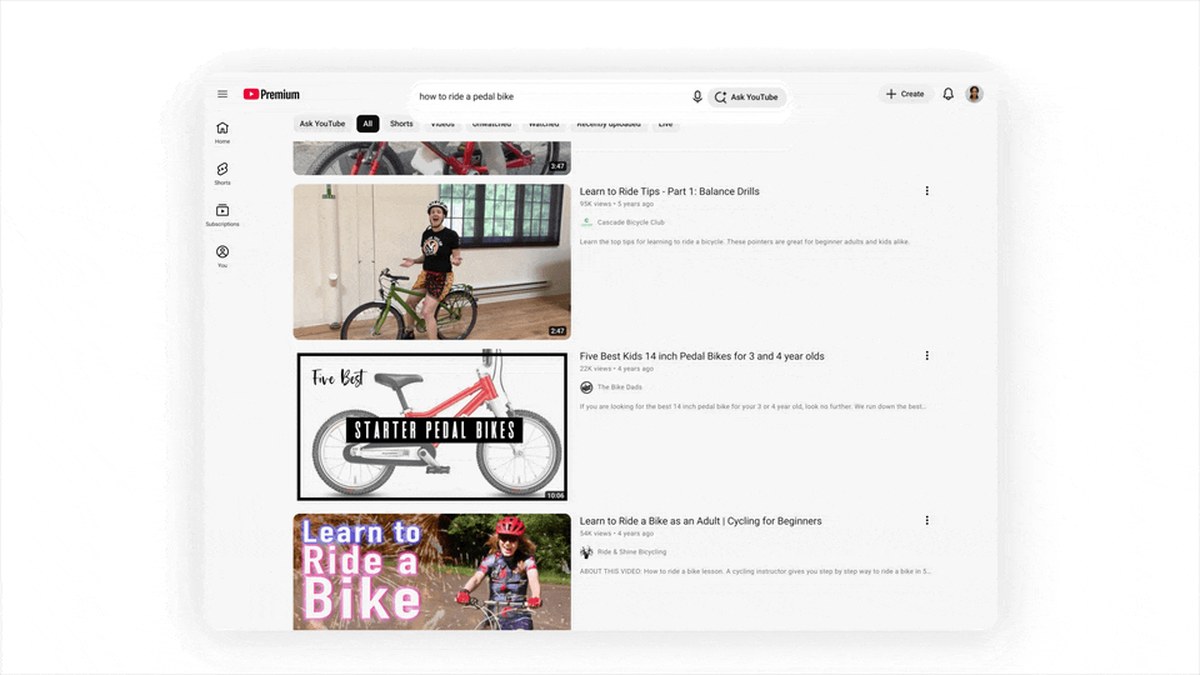
Ask YouTube is currently available for YouTube Premium members aged 18 and older in the U.S. through youtube.com/new. YouTube says it plans to roll it out broadly to all users soon.
For creators, Gemini Omni is coming to YouTube Shorts Remix and the YouTube Create app. Users can remix eligible Shorts with prompts and images, while the original context stays attached. YouTube says Omni remixes include digital watermarks, identifying metadata, and links back to the original video. Creators can opt out of visual remixing, and YouTube’s likeness detection tool is expanding to all creators 18 and older.
Must read: These Gemini tricks help me finish long YouTube videos much faster
Google’s Chrome announcements were mostly aimed at developers and heavy browser users. The company announced WebMCP, a proposed open web standard that would let websites expose structured tools to browser-based agents, along with Modern Web Guidance for coding agents and Chrome DevTools for agents.
Chrome’s built-in AI toolkit is also expanding. Google says the Prompt API is stable in Chrome 148, using Gemini Nano with multimodal inputs and structured output. Gemini in Chrome is coming to Android in late June on devices with at least 4GB of RAM and English-U.S. language settings. Auto browse is also coming to Android, and desktop auto browse will connect with Gemini Spark in the coming months.
For Apple users, this sits alongside Google’s recent push to bring built-in Gemini features to Chrome for iOS, even though the I/O Android rollout is deeper.
Developers also get Google Antigravity 2.0, a standalone desktop app for orchestrating agents, plus Antigravity CLI, Antigravity SDK, and Managed Agents in the Gemini API. Managed Agents can reason, use tools, and run code in an isolated Linux environment through a single API call.
Google is changing its paid AI tiers too. The company announced a new $100/month Google AI Ultra plan aimed at developers, technical leads, knowledge workers, and advanced creators.
The $100 plan includes a 5x higher usage limit in the Gemini app and Google Antigravity than Google AI Pro, Gemini 3.5 Flash integration, priority access to Antigravity, 20TB of cloud storage, and an individual YouTube Premium plan.
Google is also lowering the price of its top AI Ultra plan from $250/month to $200/month. That plan keeps the same capabilities and includes a 20x higher usage limit than Pro. Gemini Spark will roll out to trusted testers this week and then as a U.S. beta for Google AI Ultra subscribers next week.
Google also spent part of I/O on AI transparency. It says SynthID has now watermarked more than 100 billion images and videos, along with 60,000 years of audio.
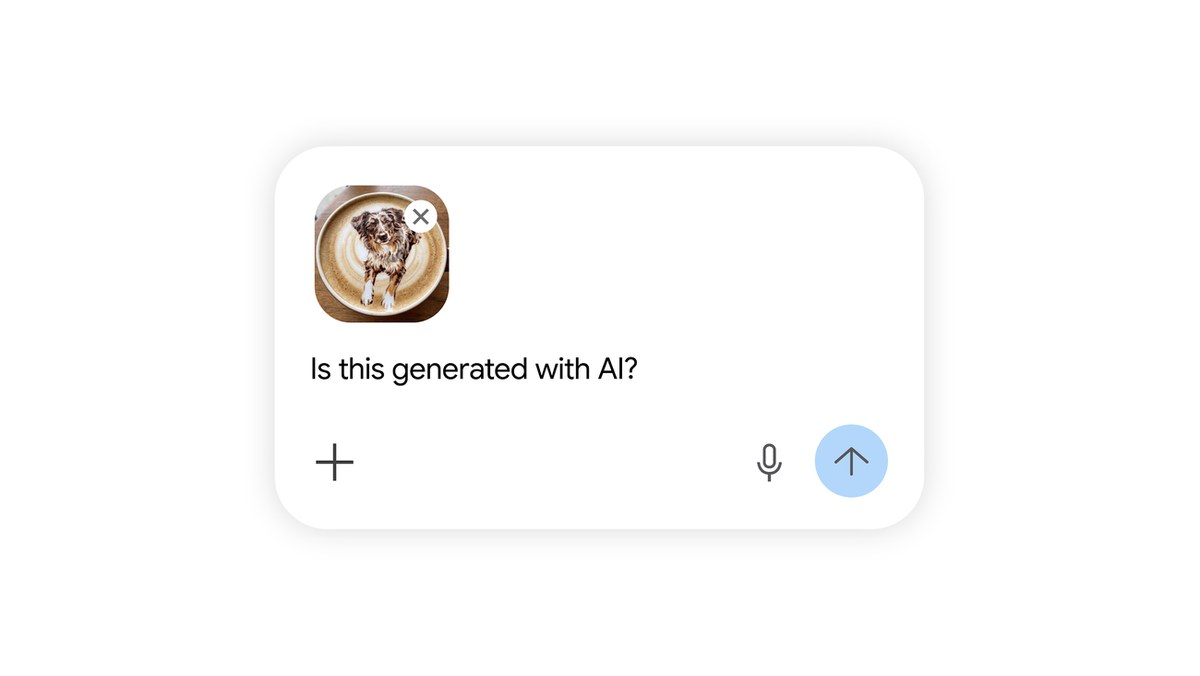
SynthID verification is expanding from the Gemini app to Search today and Chrome in the coming weeks. Google is also adding verification for C2PA Content Credentials, starting in the Gemini app today and coming to Search and Chrome in the coming months.
The industry angle is interesting: Google says OpenAI, Kakao, and ElevenLabs are adopting SynthID for more of their AI-generated content. If that adoption holds, users may get a more consistent way to check whether media was captured by a camera, edited with AI, or fully generated.
Google’s I/O 2026 message was clear: Gemini is no longer just another app or model name. It is becoming the layer that connects Search, Chrome, YouTube, Workspace, Android, shopping, developer tools, and future hardware.
Some features are available today, including Gemini 3.5 Flash, parts of Gemini Omni, the Gemini Mac app, and some YouTube creator tools. Others are limited by subscription, region, device, or rollout timing. The most ambitious parts, like Gemini Spark, Search agents, Universal Cart, and Android XR glasses, will need real-world use before we know whether Google has built helpful agents or simply added more AI surfaces.
For now, I/O 2026 gives Google a very clear AI roadmap before Apple’s WWDC26 in June: make Gemini faster, put it everywhere, and let it act on the user’s behalf.
Read more: