FaceTime Like a Pro
Get our exclusive Ultimate FaceTime Guide 📚 — absolutely FREE when you sign up for our newsletter below.

FaceTime Like a Pro
Get our exclusive Ultimate FaceTime Guide 📚 — absolutely FREE when you sign up for our newsletter below.


Google's first item tracker matches AirTag pricing at $29, runs on a billion-device Find Hub network, and warns both Android and iPhone users about unknown tags.
Google has announced the Pixel Tag, its first item tracker, at the Made by Google event alongside the Pixel 11 series. It costs $29 for a single tag or $99 for a four-pack, exactly what Apple charges for the AirTag, and goes on sale November 11 on the Google Store.
The Pixel Tag runs on Find Hub, Google’s tracking network of more than a billion Android devices. When your keys or bag are out of Bluetooth range, nearby Android phones anonymously relay the tag’s location, and Google says that location data is end-to-end encrypted.
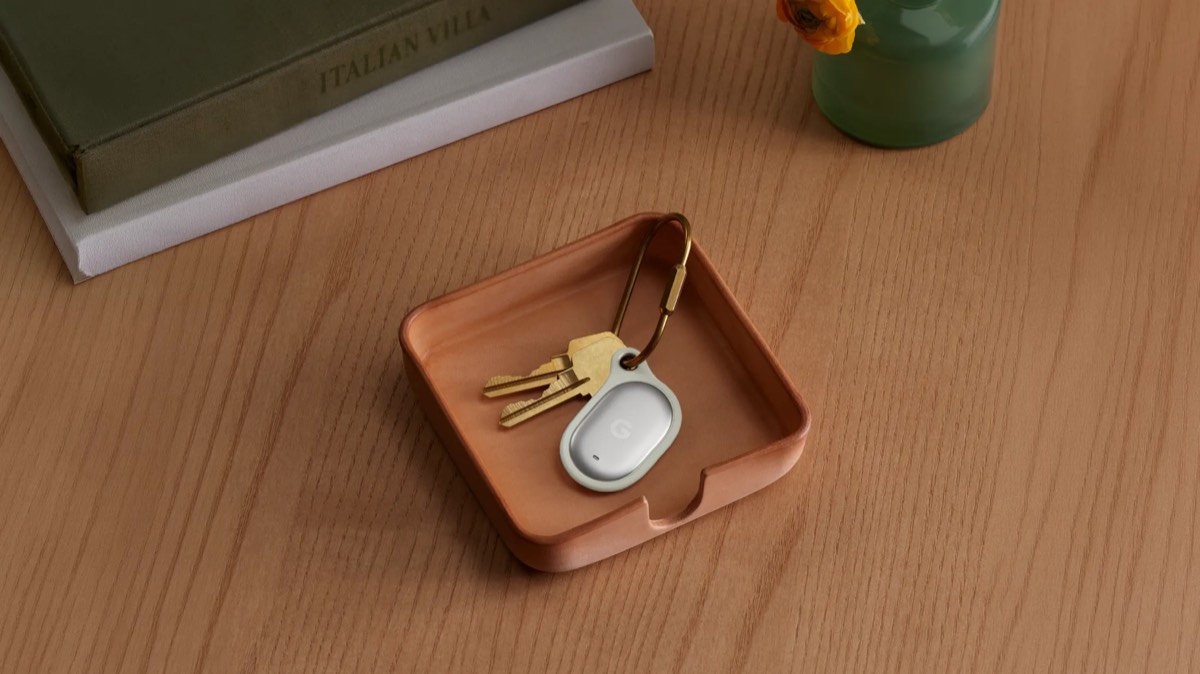
Up close, the tag supports Ultra Wideband and Bluetooth Channel Sounding for precision finding, so your phone shows distance and direction cues that walk you right to the item. You’ll need a UWB-capable Android phone for that part; basic tracking works on any phone running Android 9 or later.
There’s a built-in speaker to ring the tag, and a button on the tag itself rings your phone in reverse. A tag can be shared with up to 10 people, and Left Behind alerts warn you when you walk away without your stuff.
The tag is a stainless steel pill, about 1.8 by 1.1 inches and 5.4mm thick, with IP67 water and dust resistance and a user-replaceable CR2032 battery rated for about a year. Like the AirTag, it has no built-in attachment hole, so you’ll need a keychain loop or holder accessory to actually clip it to anything.
Google says unknown tracker alerts will flag a Pixel Tag that’s traveling with someone who doesn’t own it, and those safety alerts work across both Android and iPhone. Unlike the early AirTag anti-stalking protections, Google’s alerts will cover people outside its ecosystem from launch.
Apple launched the AirTag 2 in January at the same $29 single and $99 four-pack pricing, with a second-gen UWB chip and a louder speaker. Google is matching it dollar for dollar rather than undercutting it.
Android users have so far relied on third-party options like Chipolo and Pebblebee, the same names that fill out most AirTag alternative lists. Pixel Tag gives them a first-party option from November 11.