FaceTime Like a Pro
Get our exclusive Ultimate FaceTime Guide 📚 — absolutely FREE when you sign up for our newsletter below.

FaceTime Like a Pro
Get our exclusive Ultimate FaceTime Guide 📚 — absolutely FREE when you sign up for our newsletter below.


I tried the new Shortcuts app in iOS 27, and it’s finally easy to create iPhone automations. Here’s everything new, including AI-powered shortcut creation, new triggers, and smarter actions.
I’ll admit it: every time someone recommended Apple’s Shortcuts app, I’d nod politely and promise to try it. Then I’d open it, look at the endless list of actions, and close it again. Building workflows, linking actions together, and figuring out why something broke simply felt too complicated.
With iOS 27, Apple is finally changing that. Instead of piecing together actions manually, you can simply describe what you want in plain English, and Apple Intelligence helps create the shortcut for you. Additionally, it introduces many quality-of-life updates. Explore what’s new in the iOS 27 Shortcuts app and how to use them.
I’ve always liked the idea of automating everyday tasks on my iPhone, but the Shortcuts app never made it easy to get started. There were unlimited options, and yet, it was not that easy to create any automation, as you would be going through multiple actions, linking them together, and hoping they would work.
That complexity kept many iPhone users away. Unless you enjoyed experimenting with workflows or following online tutorials, Shortcuts could feel more like a tool for developers. Most people simply didn’t have the time or patience to learn how it worked.
Apple clearly recognized this problem with iOS 27. Instead of adding more advanced features, the company focused on making Shortcuts approachable for everyone. If this experience works as smoothly as Apple promises, Shortcuts could finally become one of those apps people actually use every day.
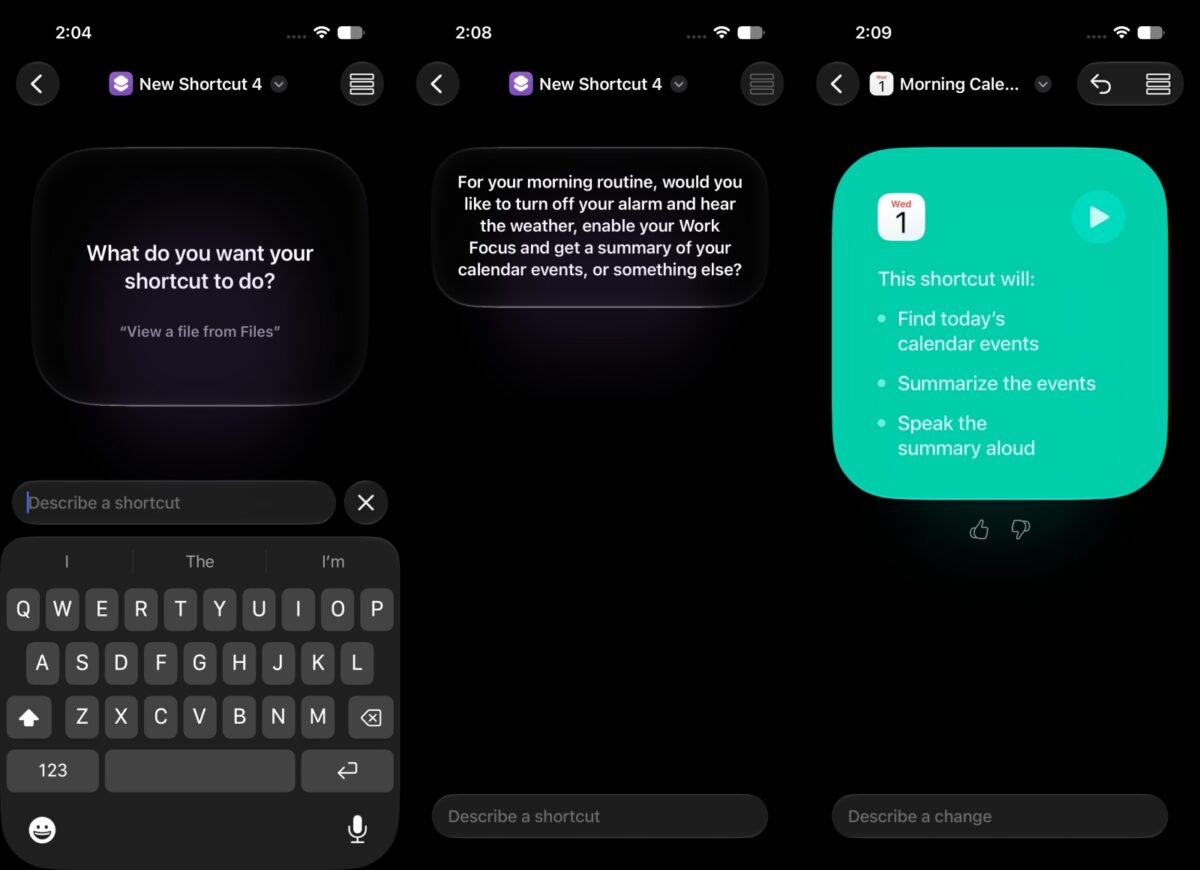
If there’s one feature that completely changed how I use the Shortcuts app, it’s the new AI-powered Describe a Shortcut feature. Instead of dragging actions into a workflow or figuring out which settings to combine, you simply tell your iPhone what you want to happen. For example,
I asked it to create a morning routine that shows today’s weather, calendar events, and to-dos. Apple Intelligence built the shortcut automatically. Once the shortcut is generated, you can review every step, make changes if needed, or ask AI to refine it further. What impressed me most was that I could also improve my existing shortcuts using Apple Intelligence instead of rebuilding them from scratch.
Therefore, beginners don’t have to build everything from scratch, while experienced users still have complete control over how their automations work. Here are a few examples of the kinds of shortcuts you can create using natural language:
For me, this isn’t just another AI feature—it’s a completely different way of interacting with the Shortcuts app. You can even access it on iPadOS 27 and macOS Golden Gate.
The other change that caught my attention is that you can choose new Apple Intelligence models that can search the web to get information.
There are four options available:
For everyday tasks that prioritize speed and privacy, Shortcuts can use Apple’s on-device intelligence. Since the processing happens directly on your iPhone, requests are handled quickly, and your personal information stays on the device whenever possible.
Some tasks require more processing power than an iPhone can provide. In those cases, Shortcuts can tap into Apple’s Private Cloud Compute. Cloud Pro can search the web and incorporate that information directly into your automation. According to Apple, this system is designed to offer more advanced AI capabilities while maintaining strong privacy protections.
For requests that benefit from broader knowledge or more detailed content generation, Shortcuts can also use ChatGPT. This opens the door to automations like drafting emails, brainstorming ideas, summarizing lengthy documents, or generating text based on a prompt.
iOS 27 also expands what your automations can do. One of the biggest changes is that Apple has merged Automations directly into the main Shortcuts experience. Instead, automation triggers are now integrated into the main shortcut-building experience. It may sound like a small interface tweak, but I think it makes the app feel much more cohesive.
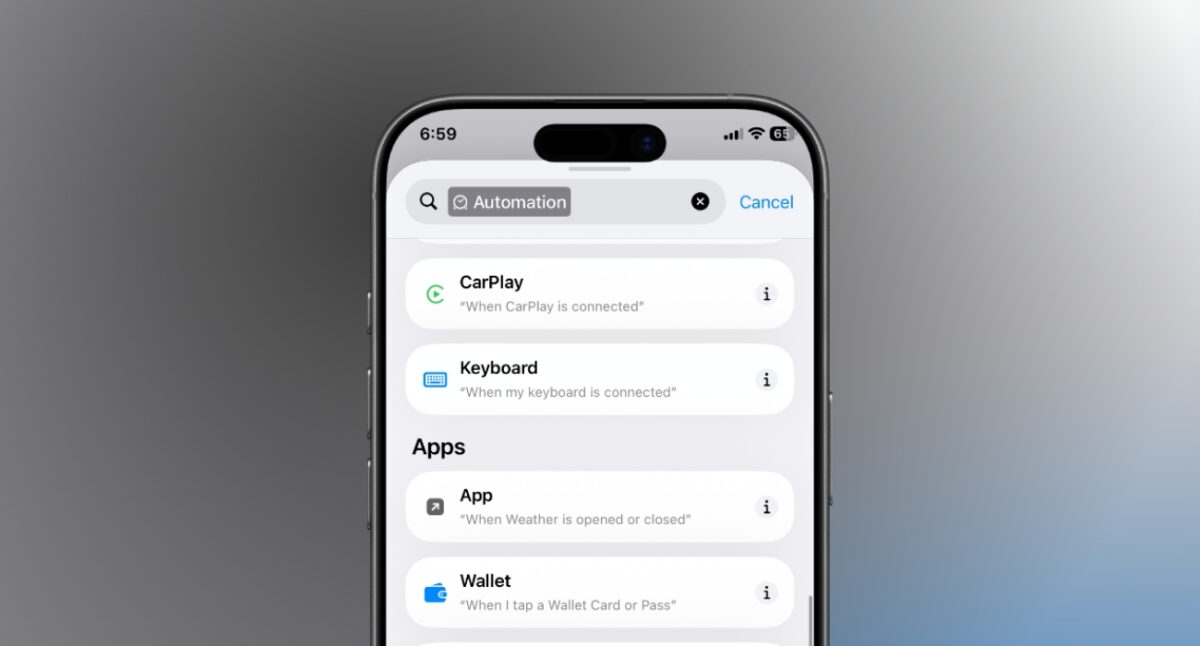
Apple has introduced several new triggers that let shortcuts run automatically when specific events occur, including:
The notification trigger is easily my favorite addition. Imagine automatically turning on a Focus mode when your work app sends an urgent alert, logging package delivery notifications into Notes, or having your smart home lights switch on when your food delivery app notifies you that the driver is nearby.
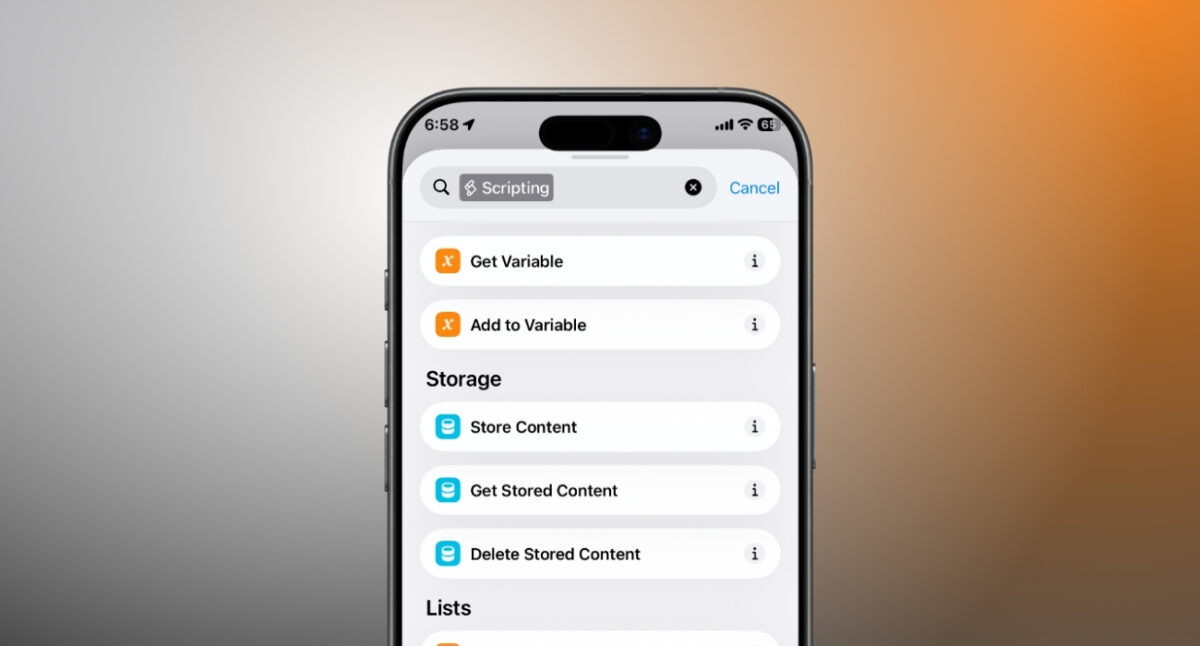
Apple has also expanded the list of actions available throughout the Shortcuts app, making it easier to automate tasks across more system apps.
Some of the most useful additions include:
To me, these small additions make iOS 27’s Shortcuts update so compelling.
One feature that I think deserves more attention is the improved “Get What’s On Screen” action. Context has always been the missing ingredient in automations. Now shortcuts can better understand what’s currently displayed on your screen and use that information in later actions.
Think about what that enables. For example, I asked Apple Intelligence to build a shortcut that can summarize the article I’m reading, extract important points, and save it to Notes. You can also tweak it to ask Apple Intelligence questions about what you’re looking at.
Instead of switching between five different apps, the shortcut handles everything in sequence.
If I were updating my iPhone with iOS 27, these are the automations I’d build first.
None of these ideas require complicated programming anymore. That’s exactly why they feel achievable.
The good news is that the redesigned Shortcuts app is part of iOS 27. So, anyone with a compatible iPhone will get the updated interface and many of the new automation improvements. However, not every feature is available on every device.
The biggest limitation is Apple Intelligence. Features like Describe a Shortcut, AI-powered shortcut generation, and intelligent actions require an iPhone that supports Apple Intelligence. That means you’ll need one of the following models:
The same AI-powered experience is also available on iPads with an M-series chip, iPad mini with A17 Pro, and Macs with an Apple silicon chip.
I’ve always believed Shortcuts had enormous potential within the Shortcuts app, but up until this point, it seemed like an app designed only for power users. With iOS 27, Apple isn’t just adding more capabilities—it’s making automation approachable for everyone.
Of course, some of the biggest features are limited to Apple Intelligence-supported devices. Even so, the improvements to the Shortcuts app show that Apple is serious about making automation a core part of the iPhone experience rather than a niche tool.
And if Apple continues improving this AI-first approach, I can easily see Shortcuts becoming one of the most-used productivity apps on the iPhone. Which feature are you eager to try? Let me know in the comments below!
You might also like: