FaceTime Like a Pro
Get our exclusive Ultimate FaceTime Guide 📚 — absolutely FREE when you sign up for our newsletter below.

FaceTime Like a Pro
Get our exclusive Ultimate FaceTime Guide 📚 — absolutely FREE when you sign up for our newsletter below.


Counterpoint expects foldable phone prices to rise in 2026 as book-style models grow. Apple's rumored iPhone Fold could help normalize the premium tier.
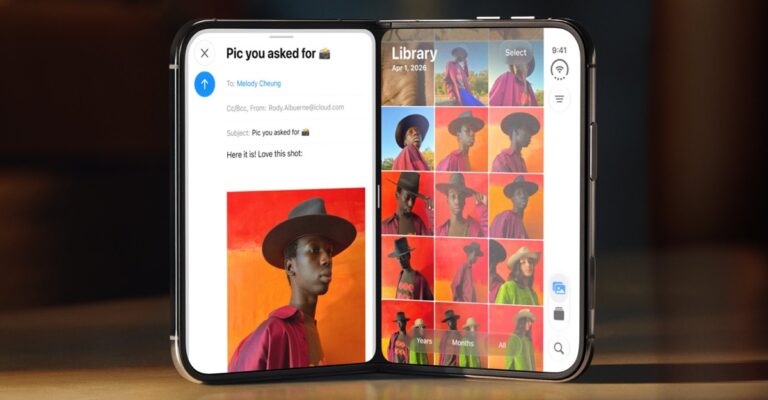
Apple has not announced a foldable iPhone yet, but its expected entry into the category is already showing up in analyst forecasts.
Counterpoint Research expects the average selling price of foldable smartphones to rise 18% year over year in 2026. The main reason is the market’s shift toward book-style foldables, the same form factor Apple is widely expected to use for its first foldable iPhone.
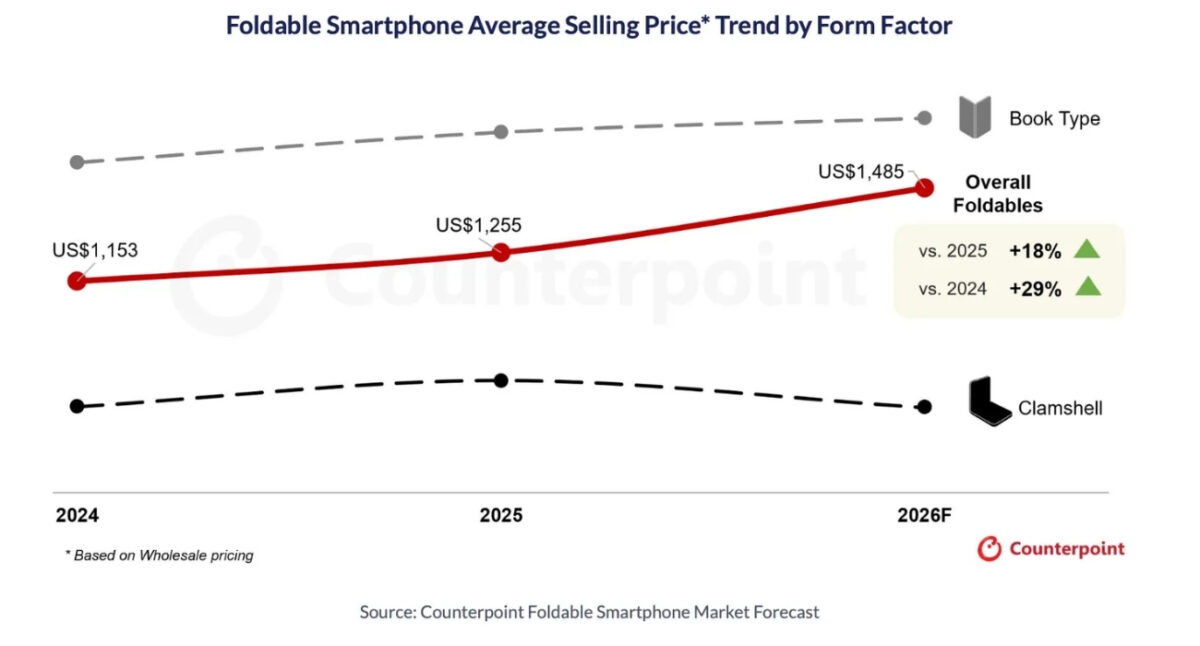
Counterpoint says the two main foldable designs are moving in opposite directions. Clamshell foldables are getting cheaper as more brands enter the market and production scales up. Book-style foldables, however, remain more expensive because they tend to use larger displays, better hinges, bigger batteries, stronger cameras, and more productivity-focused features.
That matters because book-style models are now taking a larger share of total foldable shipments. So even if cheaper flip-style foldables continue to exist, the overall foldable market can still become pricier when more buyers move toward the larger, tablet-like designs.
Counterpoint’s price-band data makes that shift clearer. In 2025, more than half of foldable smartphones were priced below $1,200 on a wholesale basis, while about one in three foldables sat above $1,600. In 2026, models above $1,600 are expected to account for 60% of shipments, while models under $1,200 are expected to fall below 30%.
Counterpoint says Apple’s entry is expected to support the upward pricing trend by keeping attention on high-priced foldables. The firm also expects Apple to increase interest in software continuity, app support, and productivity across the category.
That is the key part for Apple. A foldable iPhone cannot be expensive only because it folds. It has to make the larger screen feel useful for everyday work: reading, browsing, messaging, video, multitasking, and moving between apps without losing context.
The rumor cycle already points to Apple treating the foldable as a new premium lane rather than a one-off experiment. Recent reports around the iPhone Ultra and iPhone Air roadmap suggest the foldable model could sit above the regular Pro line, with Apple using “Ultra” branding to separate it from standard iPhones.
For buyers, the takeaway is simple. Apple’s first foldable may not make foldable phones cheaper. If Counterpoint’s forecast is right, it could do the opposite at first: make the top end of the foldable market look more normal, while cheaper clamshell models keep fighting for the lower premium tier.