FaceTime Like a Pro
Get our exclusive Ultimate FaceTime Guide 📚 — absolutely FREE when you sign up for our newsletter below.

FaceTime Like a Pro
Get our exclusive Ultimate FaceTime Guide 📚 — absolutely FREE when you sign up for our newsletter below.


Apple Watch ECG lets you record your heart rhythm in 30 seconds, here’s how to use it correctly.


The Apple Watch ECG feature turns a smartwatch into a practical heart‑health tool. In just 30 seconds, it lets you record your heart rhythm from your wrist and store it securely on your iPhone. For many users, this means reassurance during normal days and clarity when something feels off.
This guide explains what an ECG is, how Apple Watch records it, which models support it, and how to take accurate readings. You’ll also learn how to understand results, track trends, and share reports with your doctor, so you can use the feature with confidence and purpose.
An electrocardiogram (ECG) records the electrical signals that control your heartbeat. These signals show how fast your heart is beating and whether the rhythm is regular or irregular.
Apple Watch records a single‑lead ECG (Lead I). When you touch the Digital Crown with your opposite hand, the watch completes an electrical circuit across your body. It captures 30 seconds of heart activity and converts it into a waveform stored in the Health app.
The ECG feature is designed to detect certain rhythm irregularities, most notably atrial fibrillation (AFib). It does not continuously monitor your heart and cannot detect heart attacks, strokes, or all cardiac conditions. Think of it as an early‑warning and screening tool, not a diagnosis.
The biggest strength of the Apple Watch ECG is accessibility. It brings heart‑rhythm awareness into daily life without medical equipment or appointments.
The ECG app is FDA‑cleared as a consumer health feature. It supports informed conversations with doctors but does not replace professional testing or medical care.
Not every Apple Watch supports ECG, so checking compatibility is essential.
The ECG app works on Apple Watch Series 4 and later, including all Ultra models. Apple Watch SE models do not support ECG.
Your watch must run the latest version of watchOS and be paired with an iPhone running the latest iOS. Apple limits ECG use to users 22 years and older, and availability varies by country based on local regulatory approval. Here’s a list of all countries ECG feature is supported on Apple Watch.
ECG setup is quick and done once through your iPhone.
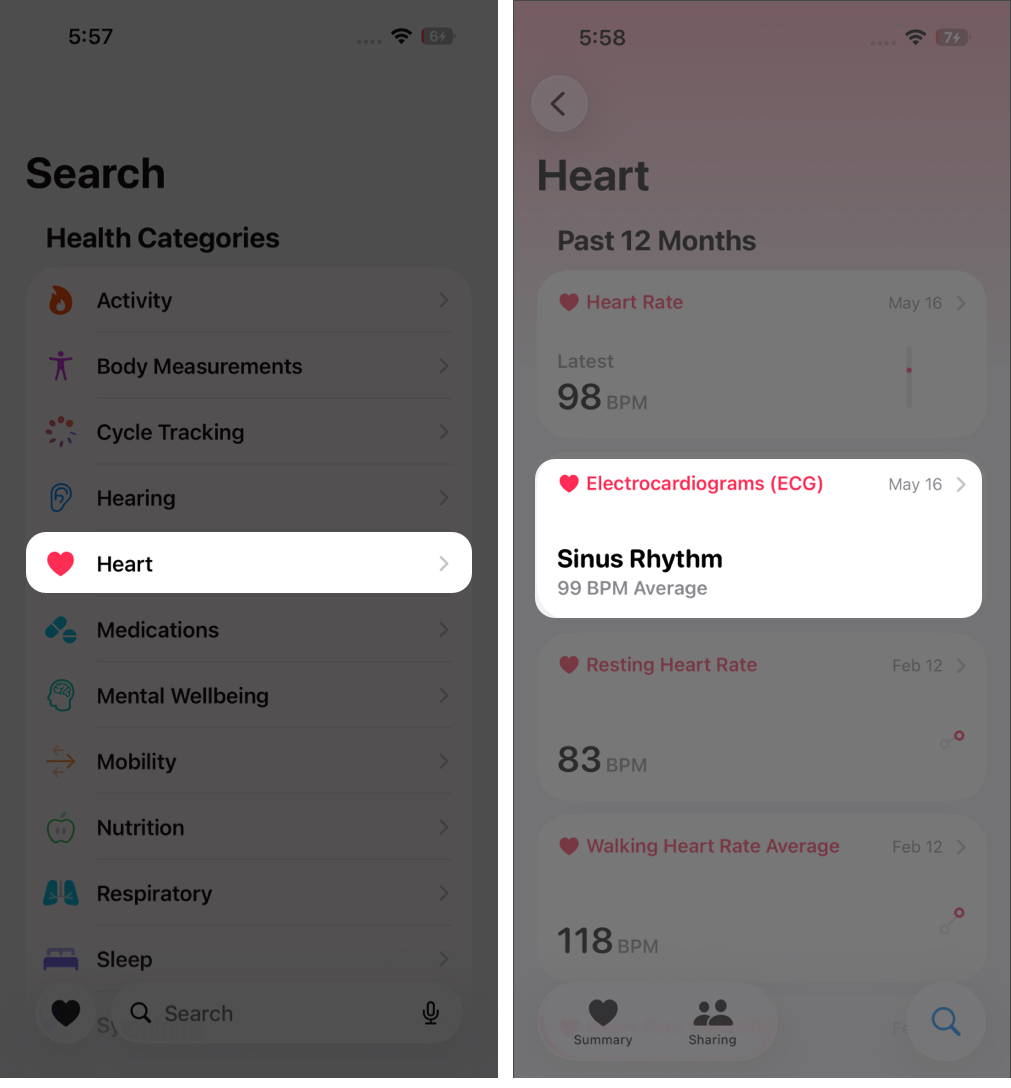
After setup, the ECG app will appear on your Apple Watch automatically.
Preparation plays a major role in ECG accuracy.
Once set up, taking an ECG is simple and repeatable.
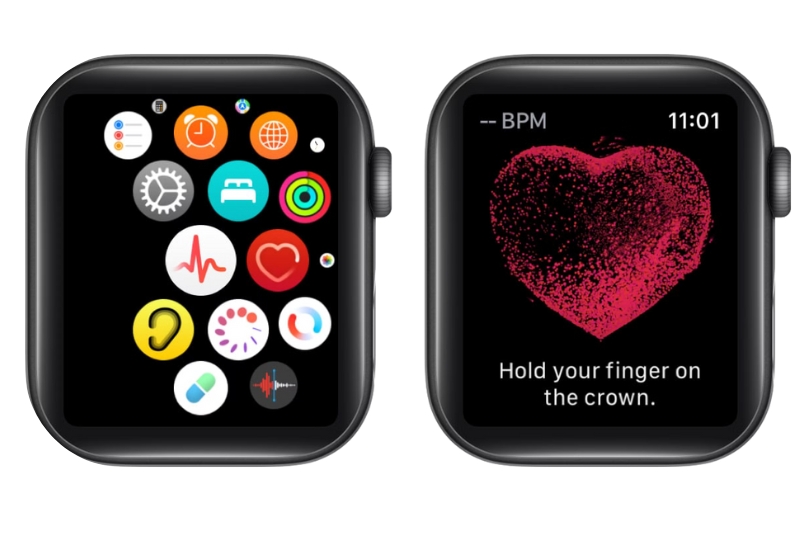
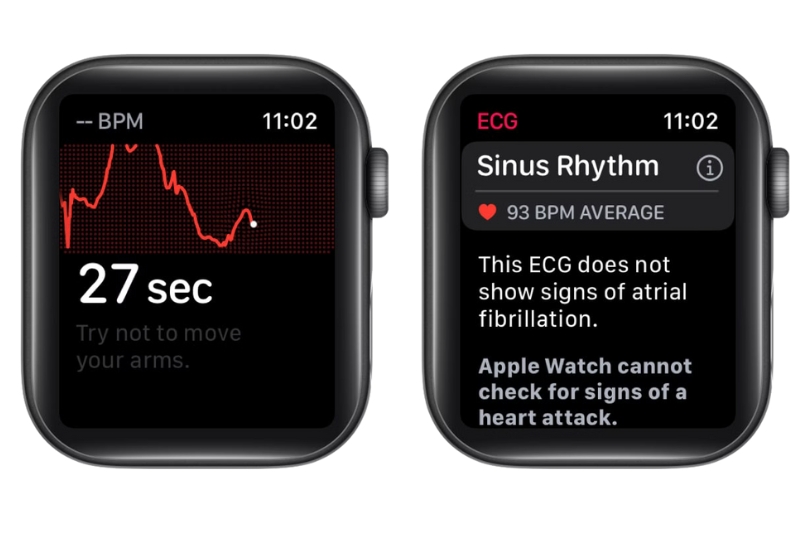
After each reading, Apple Watch classifies your heart rhythm.
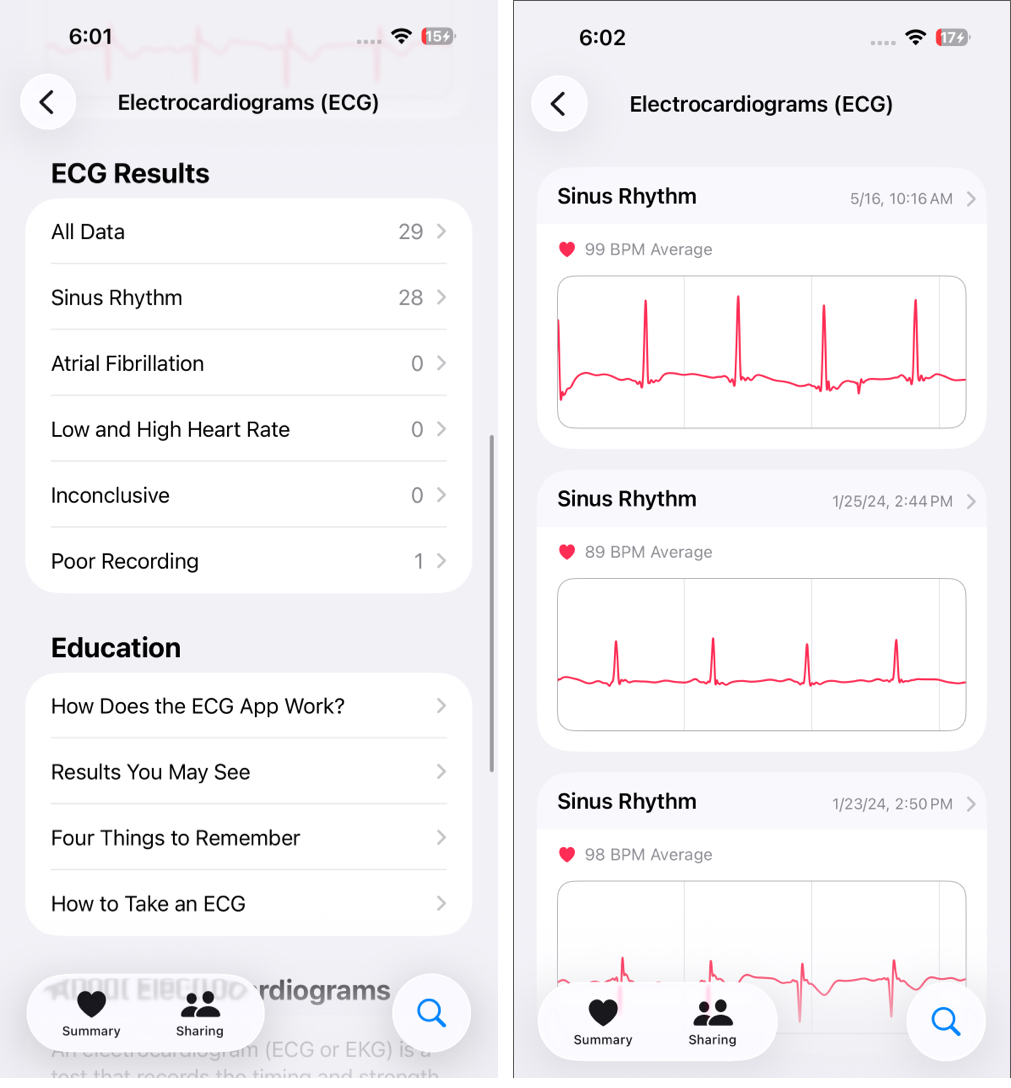
These classifications provide guidance, not a medical verdict. Any unusual or repeated results should be discussed with a healthcare professional.
Small habits can significantly improve ECG reliability.
Consistency helps produce cleaner, more useful ECG data over time.
All ECG recordings are stored in the Health app on your iPhone and sync automatically when your watch reconnects.
Instead of focusing on a single reading, review patterns over time. Long‑term trends are often more meaningful and helpful when discussing heart health with your doctor.
Sharing ECG data is simple and often valuable during consultations.
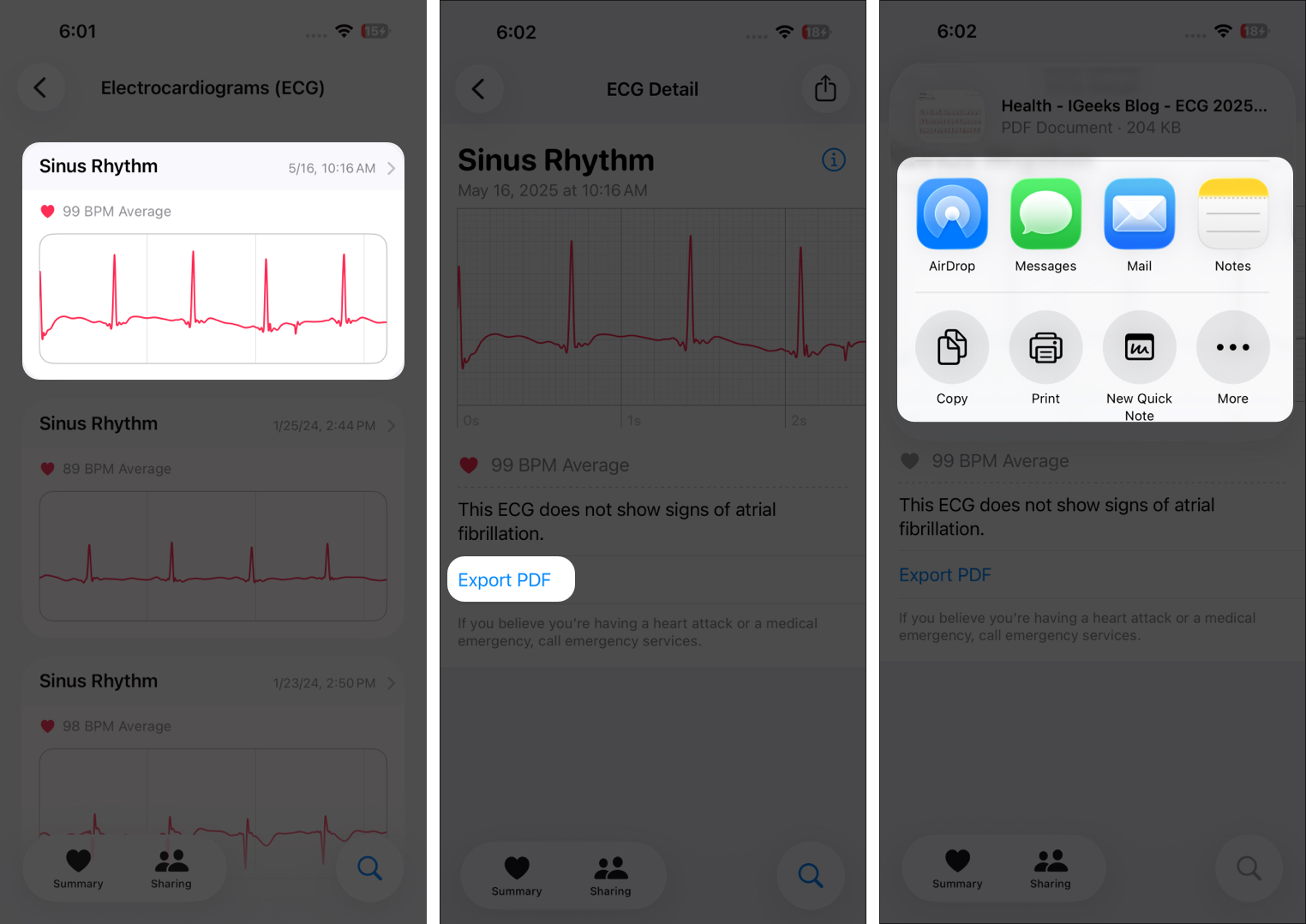
The exported PDF includes the ECG waveform, which gives doctors a clear visual context alongside your symptoms.
Apple Watch ECG doesn’t replace medical care, but it empowers you with timely insights and awareness. Used consistently and correctly, it helps you understand your heart better and recognize when professional advice is needed.
A 30‑second habit can build long‑term awareness—and sometimes, that awareness makes all the difference.
FAQs
No. Apple Watch ECG cannot detect heart attacks or provide diagnoses. It only screens for certain rhythm irregularities like AFib.
No. ECG recordings work offline. Internet access is only needed for setup and syncing data to the Health app.
No. ECG availability depends on regional regulatory approvals and may not be supported everywhere.
Apple limits ECG use to users 22 years and older.
Read more: