FaceTime Like a Pro
Get our exclusive Ultimate FaceTime Guide 📚 — absolutely FREE when you sign up for our newsletter below.

FaceTime Like a Pro
Get our exclusive Ultimate FaceTime Guide 📚 — absolutely FREE when you sign up for our newsletter below.


I used the Pixel 11 Pro XL and Galaxy S26 Ultra side by side, and the winner wasn't as obvious as the specs suggested. Here's which one I'd actually choose for everyday use.
The Pixel 11 Pro XL and Galaxy S26 Ultra are two of the best flagship Android phones you can buy right now, but choosing between them isn’t as simple as comparing specs.
Samsung’s Galaxy S26 Ultra has a faster processor, more versatile cameras, an S Pen, and a long list of features. The Pixel 11 Pro XL takes a different approach, focusing on clean software, smarter AI features, and a camera experience.
That got me thinking: which one is actually better to use every day? After all, most of us don’t spend our day running benchmark tests. We take photos, scroll social media, watch videos, answer calls, use AI, and expect our phones to last until bedtime.
So, instead of turning this into another spec-sheet battle, I compared the Pixel 11 Pro XL and the Galaxy S26 Ultra based on what actually matters in daily life. Here’s the one I think comes out on top.
Before getting into the experience, here is how the two Android flagships compare on paper.
| Feature | Google Pixel 11 Pro XL | Samsung Galaxy S26 Ultra |
|---|---|---|
| Display | 6.8-inch Super Actua LTPO OLED | 6.9-inch QHD+ AMOLED |
| Processor | Google Tensor G6 | Snapdragon 8 Elite Gen 5 for Galaxy |
| RAM | 12GB / 16GB | 12GB / 16GB |
| Storage | 256GB / 512GB / 1TB | 256GB / 512GB / 1TB |
| Main Camera | 50MP main + 48MP ultrawide + 48MP 5x telephoto | 200MP main + 50MP ultrawide + 10MP 3x + 50MP 5x telephoto |
| Front Camera | 42MP | 12MP |
| Battery | 5,115mAh | 5,000mAh |
| Weight | 227g | 214g |
| Software | Android 17 | Android 16 with One UI 8.5 |
| Special Features | Gemini, Pixelsnap, HiLight | Galaxy AI, Privacy Display, S Pen |
| Starting Price | $1,299 | $1,299.99 |
On paper, the Galaxy S26 Ultra looks like the obvious winner. But specs don’t tell the whole story.
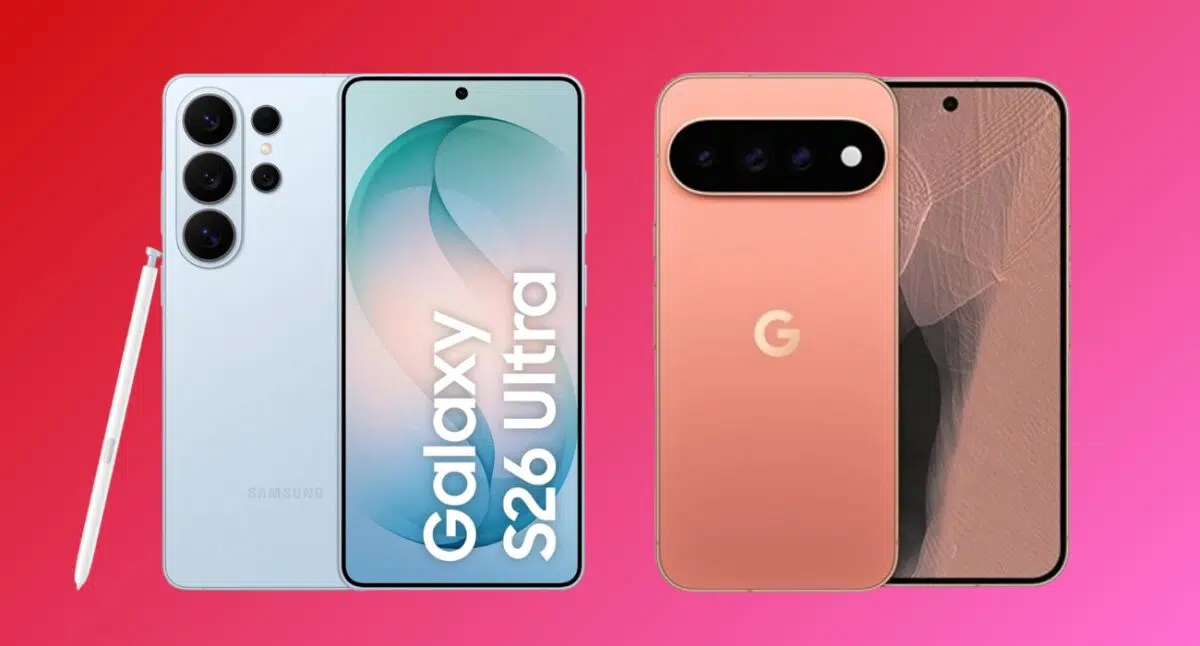
The Galaxy S26 Ultra is lighter at 214g, despite having the slightly larger 6.9-inch display. Samsung has also made the Ultra thinner than some of its predecessors, measuring 7.9mm.
The Pixel 11 Pro XL is technically thinner at 7.6mm, but it weighs more at 227g. However, it feels better in hand thanks to the rounded corners and satin matte glass on the back. I especially like Google’s horizontal camera bar approach. It distributes the camera hardware across the phone and reduces annoying table wobbles.
Google has also reduced the size of the camera bar on the Pixel 11 Pro XL for a more refined look. Then there is HiLight, Google’s new LED feature integrated into the camera area. It can visually interact with certain features and notifications, giving the Pixel a little personality.
That said, if I wanted a phone that screams “most expensive Android available,” I would probably pick the Galaxy S26 Ultra. Samsung’s industrial design feels more premium and deliberate. The integrated S Pen also gives the phone something the Pixel simply cannot replicate.
My design verdict: I would choose the Pixel 11 Pro XL for comfort and personality, whereas the Galaxy S26 Ultra for premium hardware and productivity.
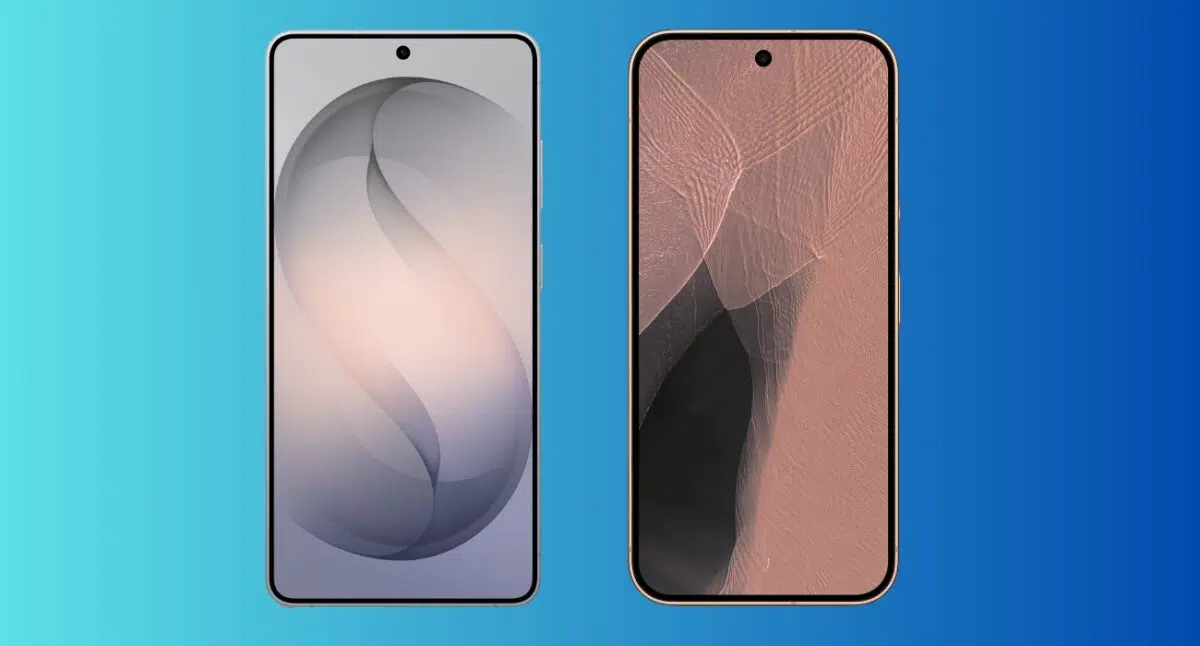
Both phones have excellent displays.
The Pixel 11 Pro XL uses a 6.8-inch Super Actua LTPO OLED display with a dynamic refresh rate up to 120Hz and peak brightness reaching up to 3,600 nits. Samsung goes slightly bigger with a 6.9-inch Dynamic AMOLED display with HDR10+.
For movies, YouTube, social media, and gaming, I don’t think either screen will disappoint. But Samsung has introduced something much more interesting than another brightness number.
The Galaxy S26 Ultra features a built-in Privacy Display designed to make the screen harder to see from certain angles. This sounds unnecessary until I am using my phone on a train, aeroplane, in an office, or in a crowded café. However, I noticed that it reduces screen clarity.
After testing both displays for scrolling, streaming, reading, and gaming, I prefer the Pixel’s Super Actua display. It’s best when used under direct sunlight.
My display verdict: Pixel 11 Pro XL wins for the simpler, no-compromise viewing experience.
The Galaxy S26 Ultra is the more powerful phone, and the benchmark numbers make that impossible to ignore.
Samsung’s Galaxy S26 Ultra runs on Qualcomm’s Snapdragon 8 Elite Gen 5 for Galaxy, while the Pixel 11 Pro XL uses Google’s Tensor G6 chip with Titan M3 security coprocessor. Google has improved Tensor performance over previous generations, but it still doesn’t compete with Qualcomm’s best silicon in raw CPU performance.
| Phone | Geekbench 6 Single-Core | Geekbench 6 Multi-Core |
|---|---|---|
| Google Pixel 11 Pro XL | 2,721 | 7,305 |
| Samsung Galaxy S26 Ultra | 3,753 | 11,259 |
The Galaxy S26 Ultra delivers higher raw power and sustained performance for AI processes and heavy workloads. However, the Pixel 11 Pro XL has more than enough performance for normal smartphone use.
Also, Google’s approach to Tensor has always been slightly different. Rather than chasing the highest benchmark numbers, Tensor is designed around Google’s AI features, computational photography, thermal management, and on-device processing. I would choose this if I cared more about how the software uses the processor’s raw power.
If you regularly play demanding games, edit videos, use intensive apps, or simply want the maximum possible performance, I would recommend going with the Galaxy S26 Ultra without a doubt.
Performance winner: Galaxy S26 Ultra
This might be the hardest section to score because it comes down to personality.
Google’s version of Android feels cleaner, more cohesive, and less cluttered. Features like Call Assist, spam protection, Recorder, voice typing, Live Translate, Pixel Screenshots, and Google’s AI tools feel connected rather than scattered across different menus.
Google also benefits from controlling Android itself. New Android features and Gemini integrations naturally feel at home on a Pixel. The Pixel 11 Pro XL ships with Android 17 and is supported by Google’s 7-year software update commitment.
Samsung’s One UI is arguably the most feature-packed Android interface available. And I mean that as both a compliment and a warning.
I get:
For a power user, One UI is incredible.
My software verdict: I prefer the Pixel for everyday simplicity and Samsung for productivity and customisation.
I think the Pixel 11 Pro XL has its strongest argument here.
Certainly, Samsung has built one of the most comprehensive AI suites in smartphones. The Galaxy S26 Ultra combines Samsung’s own Galaxy AI features with Gemini integration, giving users access to writing tools, translation, search, productivity assistance, image editing, and contextual AI capabilities.
But I think Google has one important advantage. Gemini doesn’t feel like an AI feature. It increasingly feels like part of the operating system.
The Pixel’s AI toolkit includes features such as:
These are the kinds of features I can imagine using every day naturally.
However, I will give Samsung credit for something Google still doesn’t offer in the same way: greater control over AI processing. The Galaxy S26 Ultra can offer local processing options for certain AI features. For privacy-conscious users, that’s a major advantage.
Winner: I would choose Gemini on the Pixel for everyday usefulness.
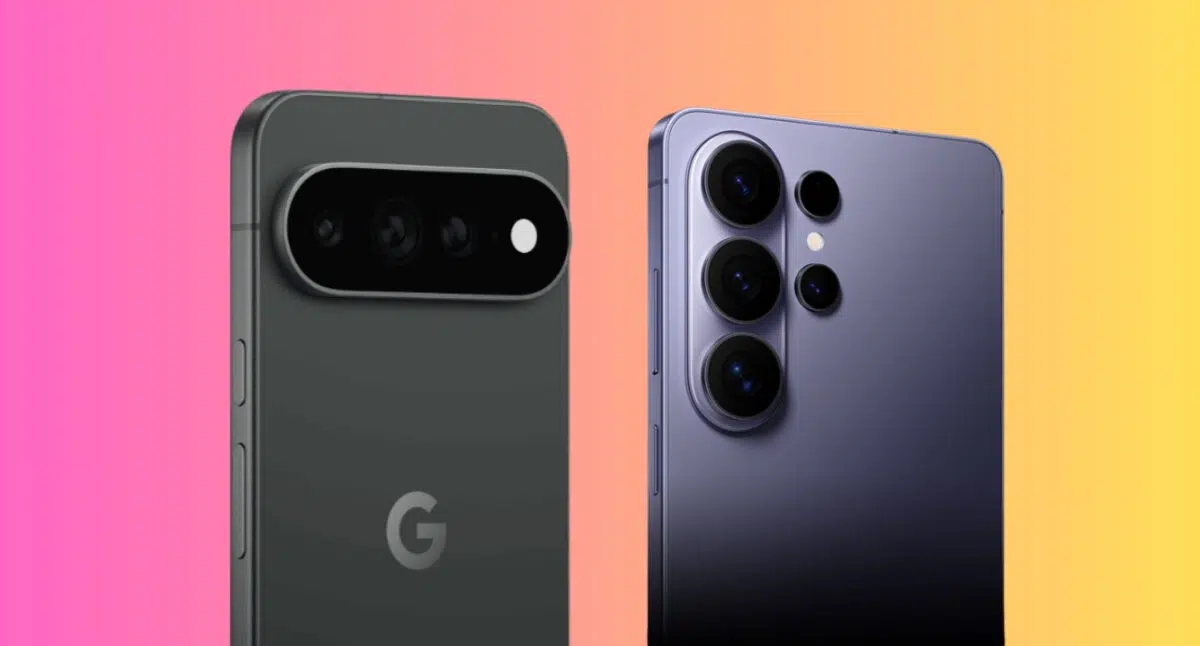
Camera comparisons are where megapixel counts become almost meaningless.
The Galaxy S26 Ultra has the more intimidating hardware specifications:
The Pixel 11 Pro XL takes a simpler but extremely capable approach:
Both phones offer advanced computational photography, high-resolution capture, long-range zoom, and AI-powered editing. But they approach photography differently.
The Pixel camera experience has historically been about pulling out the phone, pressing the shutter button, and trusting Google’s computational photography to do the rest.
The Pixel 11 Pro XL improves the camera hardware while adding a new image signal processor and features such as:
Google’s camera advantage comes from knowing the phone understands what I’m trying to capture.
On the other hand, Samsung’s camera system is built around flexibility. The dual telephoto system gives me more options across different zoom ranges, while the 200MP main camera provides an enormous amount of resolution. Samsung also continues to improve its ProVisual Engine and computational processing.
My camera verdict: For best point-and-shoot photography, go for Pixel 11 Pro XL.
The Pixel 11 Pro XL has the larger 5,115mAh battery, whereas the Galaxy S26 Ultra has a 5,000mAh battery. That difference is small, but Google is also relying on improvements in the Tensor G6 and modem efficiency to improve real-world endurance.
Google rates the Pixel 11 Pro XL for more than 30 hours of battery life and says it can reach up to 75% charge in approximately 30 minutes with a compatible 45W USB-C PPS charger.
Samsung also promises up to 75% charging in around 30 minutes with Super Fast Charging 3.0. Galaxy S26 Ultra wins on raw charging speed. You get faster 60W wired charging and reverse wired charging.
As I am more invested in wireless charging, I like Pixel more. Google’s Pixelsnap system brings magnetic accessory support and Qi2.2-certified wireless charging up to 25W. If you want to use Qi2 wireless charging with the S26 Ultra, you need a magnetic case.
My battery verdict: After testing, I found the Galaxy S26 Ultra lasts longer in daily use.
Buying a flagship phone is rarely just about buying a phone anymore. I am also buying into an ecosystem.
The Pixel works especially well if my digital life already revolves around Google apps, services, and devices like Pixel Buds and Pixel Watch. They even work across Android, Windows, the web, tablets, and even competing smartphones.
Samsung is stronger when I already own Samsung hardware.
The Galaxy S26 Ultra integrates with:
Samsung DeX also gives the Galaxy S26 Ultra a major productivity advantage. I can connect the phone to a larger display and create a desktop-like workspace. Combined with the S Pen and Samsung’s multitasking features, the Galaxy feels closer to a pocket computer than a traditional smartphone.
My ecosystem verdict: Google wins for cross-platform simplicity, but Samsung is ideal for those fully committed to Samsung hardware.
A flagship phone can have a 200MP camera and assistive AI, but none of that matters if basic tasks are frustrating.
The Pixel 11 Pro XL benefits from Google’s spam protection and Call Assist ecosystem, along with AI-powered tools for handling calls, transcription, translation, and voice interactions.
Meanwhile, the Galaxy S26 Ultra matches the Pixel in modern connectivity options, including 5G, Wi-Fi 7, UWB, and Bluetooth 6.0.
Winner: Pixel wins communication intelligence.
At this point, I don’t think there is one universal winner. There are two very different users.
Buy the Pixel 11 Pro XL if you want:
The Pixel 11 Pro XL is the phone I would recommend to someone who wants technology to quietly help them throughout the day.
Buy the Galaxy S26 Ultra if you want:
The Galaxy S26 Ultra is the phone I would recommend to someone who wants their smartphone to do absolutely everything.
After going through the Pixel 11 Pro XL vs Galaxy S26 Ultra comparison, I don’t think there is a single winner for everyone.
The Galaxy S26 Ultra is the more powerful and feature-packed phone. It offers faster performance, better gaming capabilities, versatile cameras, faster charging, an S Pen, and useful privacy features. If I wanted the most powerful Android phone with almost every feature imaginable, this would be my pick.
But for everyday use, I find myself leaning toward the Pixel 11 Pro XL.
Google’s phone emphasises simplicity and convenience over adding more bells and whistles. The clean software, useful Gemini integration, excellent cameras, and smart calling features make it feel effortless to use. I may not get the fastest processor or an S Pen, but I get a phone that understands what I need without overcomplicating things.
At the end of the day, both are excellent Android flagships. The better choice depends on whether you want your phone to do more or simply make your day easier.
Would you choose the feature-packed Galaxy S26 Ultra or the smarter, simpler Pixel 11 Pro XL? Let me know in the comments.
Related articles worth reading: