FaceTime Like a Pro
Get our exclusive Ultimate FaceTime Guide 📚 — absolutely FREE when you sign up for our newsletter below.

FaceTime Like a Pro
Get our exclusive Ultimate FaceTime Guide 📚 — absolutely FREE when you sign up for our newsletter below.


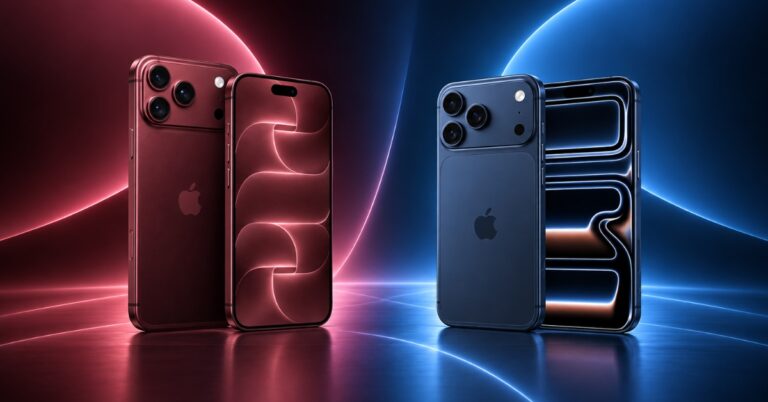
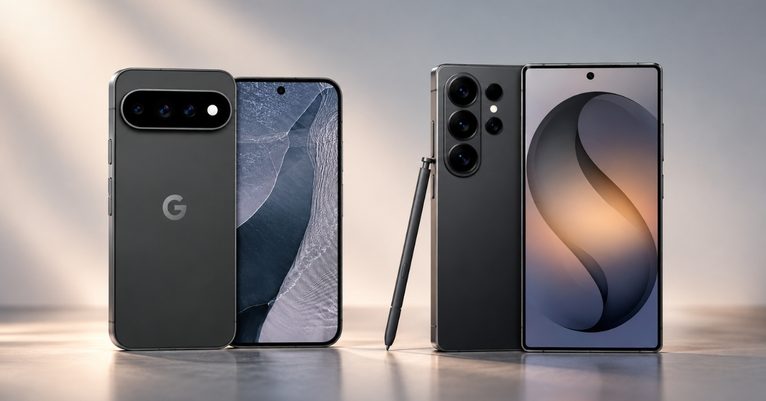
The iPhone 18 Pro favors Apple's ecosystem and pro video, while the Pixel 11 Pro offers 5x optical zoom, Gemini, seven years of updates, and a lower U.S. price.
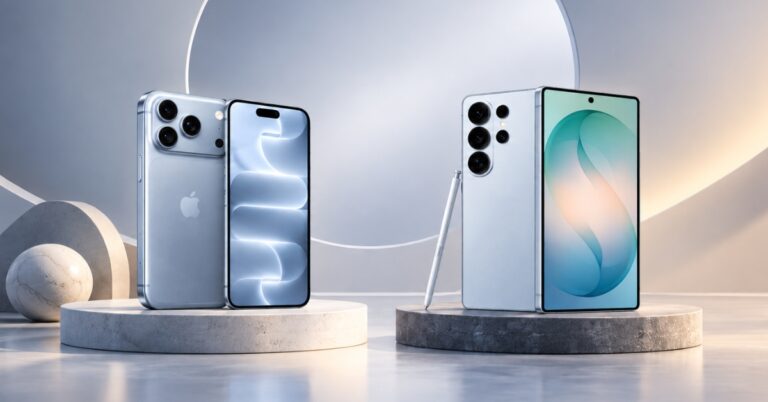
The iPhone 18 Pro is the better fit if you already use an Apple Watch or Mac, or want its advanced video formats. The Google Pixel 11 Pro costs $100 less in the U.S. and adds Google’s camera and Gemini tools. Its 5x optical telephoto and 10x optical-quality zoom give it more reach on paper than the iPhone’s 4x optical and 8x optical-quality options, but neither spec sheet tells us which phone takes better zoomed photos.
The timing matters: Pixel 11 Pro has been on sale since August 25, while iPhone 18 Pro reaches stores September 18. Pixel has independent reviews; the iPhone has not had retail testing yet. If you’re deciding mainly on battery, camera quality, or sustained performance, wait for the first head-to-head tests.
These are the U.S. list prices for each phone’s 256GB model. Brightness and battery figures come from different manufacturer tests, so treat them as specifications rather than direct wins.
| iPhone 18 Pro | Google Pixel 11 Pro | |
|---|---|---|
| Starting price | $1,199 | $1,099 |
| Availability | September 18, 2026 | On sale since August 25, 2026 |
| Size and weight | 150 × 71.9 × 8.75mm; 211g | 152.7 × 71.9 × 8.4mm; 204g |
| Display | 6.3-inch OLED, 460ppi, up to 120Hz; 3,000-nit outdoor peak | 6.3-inch LTPO OLED, 495ppi, 1–120Hz; 3,600-nit peak |
| Rear cameras | Three 48MP cameras; variable-aperture main; 4x optical and 8x optical-quality telephoto | 50MP main, 48MP ultrawide, 48MP 5x optical telephoto; 10x optical-quality zoom |
| Long-range zoom | Up to 40x digital | Up to 120x Pro Zoom |
| Video | 4K Dolby Vision up to 120fps on the main camera; ProRes RAW and Apple Log 2 | 4K up to 60fps; 8K up to 30fps through Video Boost |
| Software | iOS 27; Siri AI in beta | Android 17; Gemini Intelligence |
| Processor | Apple A20 Pro | Google Tensor G6 |
| Battery and charging | Up to 24 hours typical use; 25W MagSafe/Qi2 | 30+ hours claimed; 25W Qi2.2/Pixelsnap |
| Unlock | Face ID | Face Unlock and fingerprint sensor |
| SIM (U.S. models) | Dual eSIM; no physical SIM | Dual eSIM; no physical SIM |
| Published software support | Apple hasn’t announced a fixed term for this model | Seven years of OS and security updates |
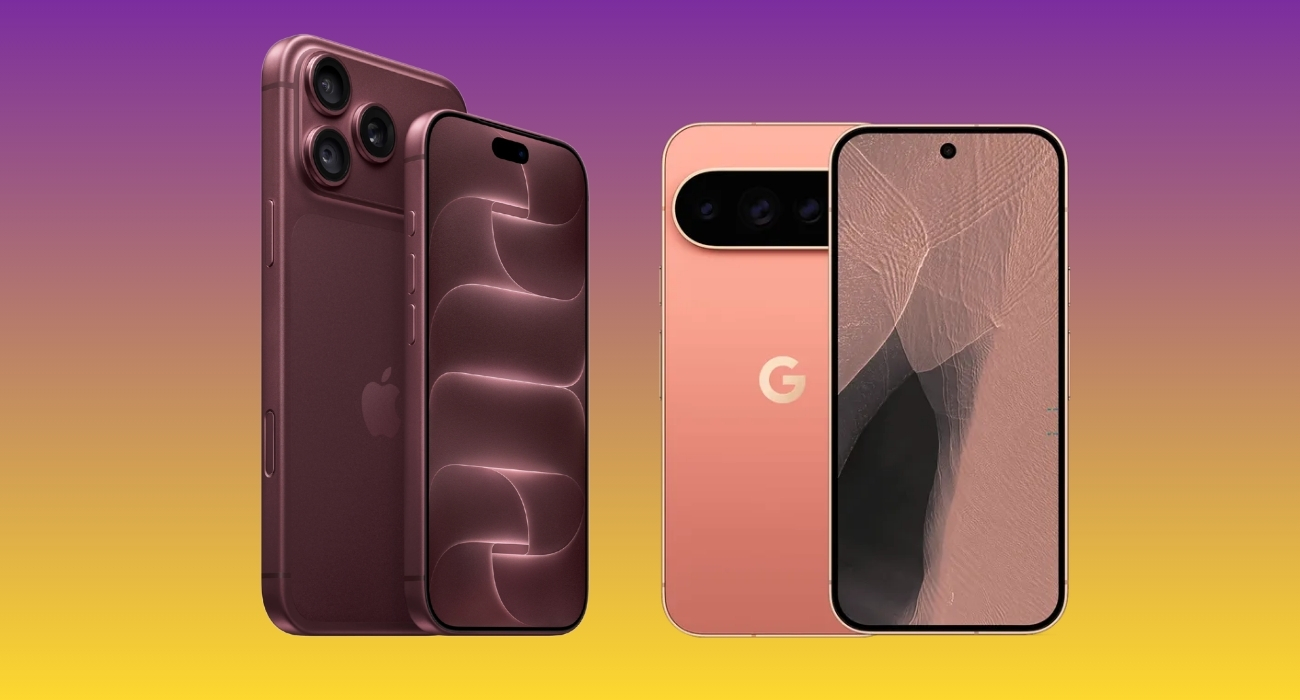
Both phones have a 6.3-inch screen and the same listed width. The Pixel is 7g lighter and 0.35mm thinner; the iPhone is 2.7mm shorter. Those are small differences, so try them in a case if weight or pocket fit matters to you.
Their materials differ. Apple uses an aluminium unibody with Ceramic Shield 2 on the front and Ceramic Shield on the back. Google pairs an aluminium frame with Gorilla Glass Victus 2 on both sides and a matte rear panel. Those glass names tell you what covers each phone, not which one is more likely to survive a drop.
On paper, the Pixel panel is denser at 495ppi versus 460ppi and has a higher listed peak brightness: 3,600 nits versus Apple’s 3,000-nit outdoor peak. Apple lists an anti-reflective coating; Google lists an anti-scratch screen shield. Both support adaptive refresh rates up to 120Hz, so scrolling and animation should feel smooth. The brightness figures use different test conditions, though, and don’t settle which screen is easier to read outdoors.
In its display test, Tom’s Guide measured the Pixel at 2,860 nits. An Android Central reviewer also flagged the Pixel’s low-frequency PWM dimming, which may bother people sensitive to screen flicker. If OLED displays have caused you discomfort before, try the Pixel in person. No one has published a comparable retail iPhone 18 Pro test.
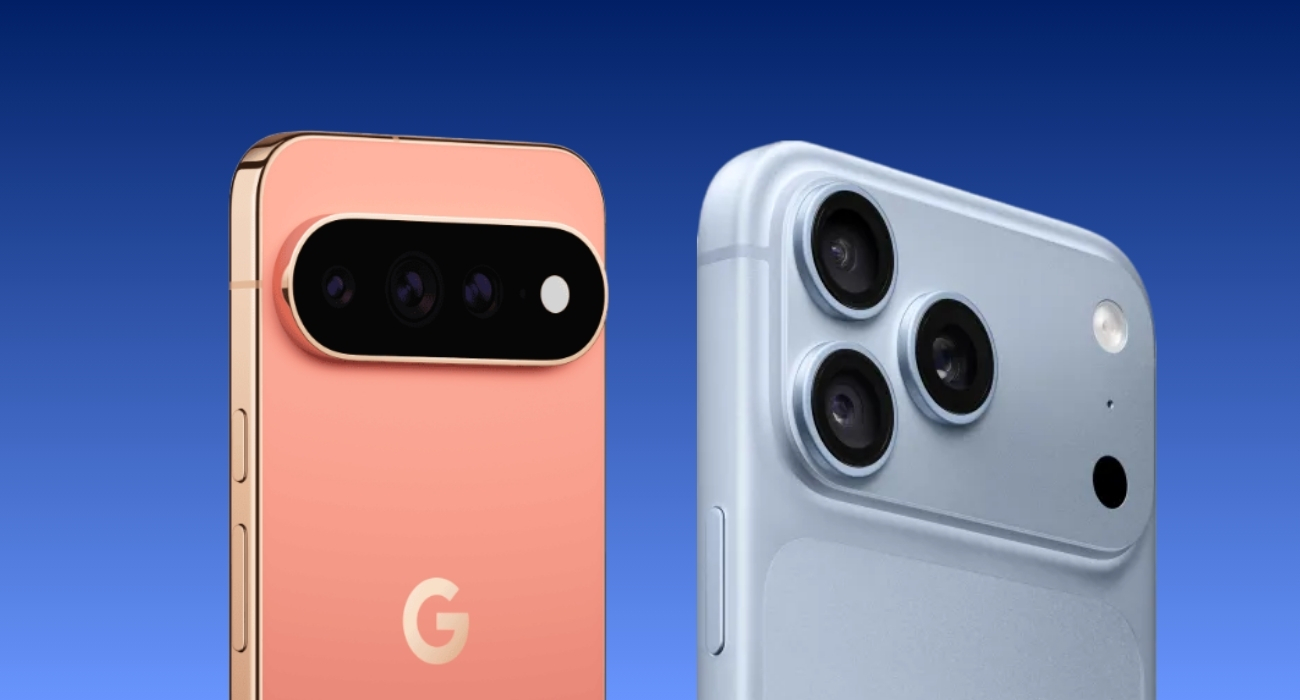
The Pixel’s dedicated telephoto camera starts at 5x optical zoom, compared with 4x on the iPhone. But both phones crop in further while advertising “optical-quality” reach: Pixel lists 10x and iPhone lists 8x. Google’s 120x Pro Zoom is digital, as is Apple’s zoom beyond 8x. Those high numbers help frame a faraway subject, but they aren’t a promise of clean detail. In TechRadar’s Pixel review, 120x results became hit-or-miss and more artificial as the reviewer pushed past about 30x.
The iPhone’s standout photo change is its variable-aperture 48MP main camera. It can switch among f/1.48, f/1.8, f/2.8, and f/4, automatically or through manual controls. Opening the aperture lets in more light; closing it keeps more of a group or landscape in focus. The phone also gives you controls for shutter speed and white balance, plus ProRAW capture. This is more direct control on paper, but review samples will show how much it improves everyday photos.
Magic Capture is the Pixel’s standout tool for quick action, such as a child running or a pet jumping. Google says it analyses around 400 frames with on-device intelligence and Gemini, then saves a well-timed 12MP photo, applies edits such as crop and unblur, and keeps the video too. Android Central’s reviewer praised it after using it repeatedly. Camera Looks lets you adjust the image style before shooting. Google also says Instant Night Sight takes low-light photos up to 4.5 times faster than on Pixel 8, 9, and 10 models, though that doesn’t tell us how its night shots compare with the iPhone. Both phones can shoot close-ups: the Pixel has Macro Focus on its autofocus 48MP ultrawide, while the iPhone supports 48MP macro photos.
For video, the iPhone has the stronger list of creator formats: 4K Dolby Vision at up to 120fps on its main camera, Apple Log 2, and ProRes RAW. Recording ProRes at 4K120 requires an external drive, so that top-end mode isn’t a casual point-and-shoot setting. Pixel records standard 4K at up to 60fps and offers 8K24/30 through Video Boost, along with a teleprompter and tools for editing social clips. The 8K mode runs through the cloud rather than saving a finished 8K video right away. Google Photos backup is required, the recording is capped at 10 minutes, and boosting can take time. The Video Boost instructions say the initial clip is 1080p SDR. That’s a different workflow from the iPhone’s 4K recording formats, which are available directly in the camera app.
Pixel has a 42MP autofocus selfie camera with a wider field of view and 4K60 video. The iPhone’s 18MP Centre Stage camera can keep you framed during calls, and it supports tap-to-zoom and Dual Capture. Megapixels alone can’t tell us which takes more natural selfies; that will take side-by-side samples from a retail iPhone.
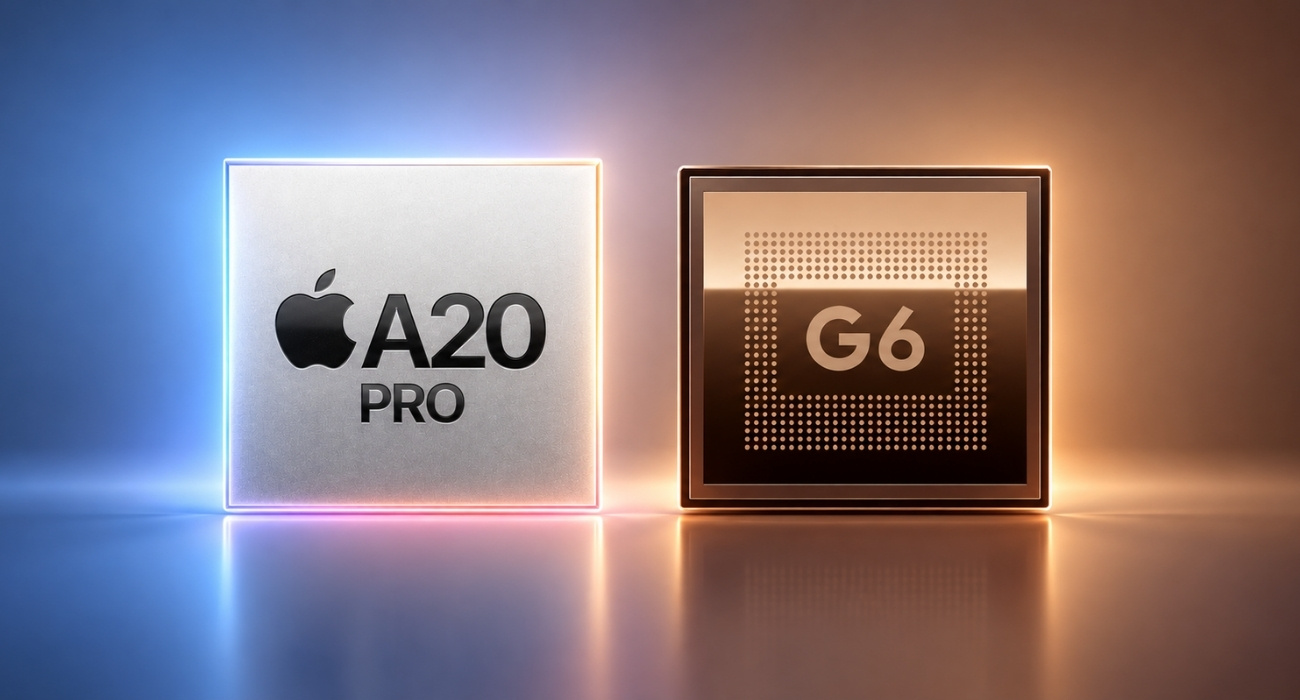
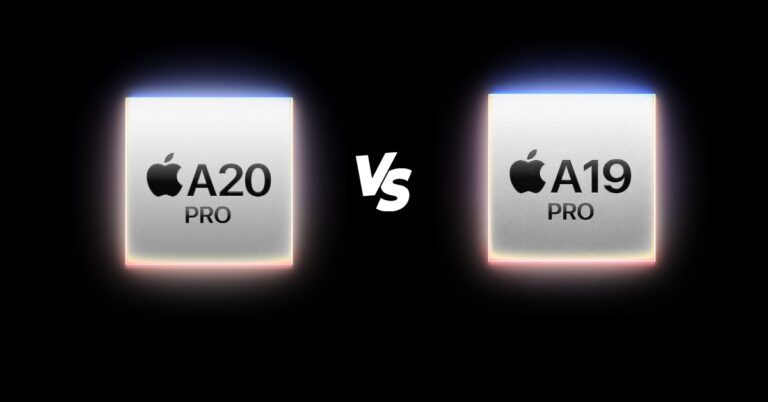
The iPhone’s A20 Pro has a six-core CPU, seven-core GPU, and hardware ray tracing. Apple also added a vapour chamber and claims up to a 40% sustained-performance gain over the iPhone 17 Pro. Pixel 11 Pro runs Google’s Tensor G6, which powers its camera processing and on-device Gemini features.
In TechRadar’s review, a 512GB/16GB Pixel handled ordinary multitasking, streaming, and casual games well; the base model has 12GB of RAM. More demanding graphics are less settled: Tom’s Guide’s benchmarks show stronger CPU scores than the previous Pixel generation, but no comparable GPU improvement, and a separate gaming test on the Pixel 11 Pro XL found limited gains over last year’s model. Since that was the larger XL model, it doesn’t establish how the regular Pro handles heat over time. iPhone 18 Pro hasn’t reached reviewers yet, so no fair speed or gaming contest is available.
For messaging, photos, maps, and everyday games, neither phone should feel short on power. If you buy a flagship mainly for long gaming sessions or benchmark-leading performance, wait for retail tests instead of treating Apple’s chip claims or Google’s benchmark charts as a final verdict.
iPhone 18 Pro ships with iOS 27 and Apple’s Siri AI, which entered beta on September 14. Siri is meant to understand personal context and what’s on your screen, but Apple says language and region support vary; English is first, and Siri AI isn’t available on iOS in the EU at launch. Many Apple Intelligence tasks run on the device, while more complex requests can use Private Cloud Compute.
Pixel 11 Pro comes with Android 17 and Gemini Intelligence. Google says Gemini can handle supported multi-step tasks across more than 40 apps. Pixel tools include Circle to Search, Live Translate for supported videos, and Gemini-powered camera features. Rambler removes filler words from voice dictation, while proactive cards can surface relevant details such as a flight update. Google lists these features in its Pixel 11 overview; availability depends on language, country, age, app, and sometimes subscription. For a broader platform comparison, see how iOS 27 and Android 17 differ.
Your existing devices may matter more than either assistant. Apple Watch works only with iPhone, and Google’s Pixel Watch doesn’t support iOS. Pixel can send files to Apple devices through Quick Share and AirDrop compatibility, but the iPhone recipient has to set AirDrop visibility to “Everyone for 10 Minutes.” Apple’s Move to iOS setup can transfer much of your data when switching. This Android-to-iPhone transfer guide explains what moves over. To send files from Android to Apple, use AirDrop-compatible Quick Share.
Google advertises 30-plus hours for Pixel 11 Pro. In Tom’s Guide’s continuous 5G browsing test, it lasted 13 hours and 25 minutes. Android Central’s 45W charging test reached 51% after 30 minutes, while Google’s own estimate is up to 55% in that time with a 30W-or-higher PPS charger. TechRadar’s reviewer said the Pixel got through a full day even with heavy video streaming or gaming, but needed an overnight charge.
Apple estimates up to 24 hours of typical use, 36 hours of local video playback, or 33 hours of streamed video for iPhone 18 Pro. Its fast-charge claim is up to 50% in around 15 minutes with a separately sold 60W-or-higher AVS adapter. MagSafe can reach 50% in 30 minutes with a 35W-or-higher adapter, and both MagSafe and Qi2 wireless charging reach up to 25W. Google claims up to 55% in around 30 minutes with a separate 30W USB-C PPS charger; Pixelsnap/Qi2.2 wireless charging also goes up to 25W.
These runtime figures aren’t a fair head-to-head: Google and Apple use different definitions and test methods. The Pixel has retail battery tests already; the iPhone’s numbers are Apple’s estimates from preproduction testing. Neither phone includes a wall adapter, so add a compatible one to your budget if you don’t already own one. Wait for the same lab to test both before choosing based on battery life.
Both phones carry an IP68 rating. Apple specifies a maximum depth of 6 meters for 30 minutes, while Google doesn’t list a matching depth figure. IP68 isn’t a promise against every kind of water damage, and neither phone has a matched drop or scratch test. If a cracked screen would be expensive to replace, a case is still a sensible buy.
Google commits the Pixel 11 Pro to seven years of Android OS, security, and Pixel Drop updates, counted from its first U.S. Google Store availability in August 2026. Apple hasn’t announced a fixed support period for iPhone 18 Pro. Google’s promise is easier to plan around, but it doesn’t prove Apple’s phone will stop receiving updates sooner.
The Pixel 11 Pro starts at $1,099 for 256GB in the U.S.; iPhone 18 Pro starts at $1,199 for the same storage. These are list prices before trade-ins, carrier deals, tax, or limited-time offers. Apple’s options go up to 2TB, while Pixel tops out at 1TB, which may matter if you keep a large photo and video library on the phone. Both U.S. models are eSIM-only, so check carrier support if you usually swap physical SIM cards. Apple’s iPhone specs say that directly; Google lists the Pixel as eSIM-only in its Store FAQ, but gives conflicting physical-SIM wording elsewhere on the same page. Confirm the exact Pixel variant if a SIM tray is essential.
Pixel is available now. iPhone 18 Pro goes on sale September 18 in its first markets, with some regions following September 25. If you need a phone today, the Pixel is the ready-to-buy option. If you can wait a few days, the iPhone’s retail reviews should make the camera and battery trade-offs easier to judge.
In case you missed: