FaceTime Like a Pro
Get our exclusive Ultimate FaceTime Guide 📚 — absolutely FREE when you sign up for our newsletter below.

FaceTime Like a Pro
Get our exclusive Ultimate FaceTime Guide 📚 — absolutely FREE when you sign up for our newsletter below.


Apple's iPhone 18 Pro and Pro Max start at $1,199 in the U.S. Here's what changes with the camera, A20 Pro, design, battery, and iOS 27 update.
Apple has announced the iPhone 18 Pro and iPhone 18 Pro Max with a variable-aperture main camera, the A20 Pro chip, and a new vapour chamber. Both models share the same Pro camera system and core hardware. The Pro Max adds the larger display and Apple’s 45-hour video playback claim.
For U.S. buyers, preorders begin Friday, September 12, at 5:00 a.m. PT. Availability starts Friday, September 18.
Both models start with 256GB of storage. Apple also lists 512GB, 1TB, and 2TB capacities for each size.
| Model | Display | U.S. starting price | Storage options |
|---|---|---|---|
| iPhone 18 Pro | 6.3 inches | $1,199 | 256GB, 512GB, 1TB, 2TB |
| iPhone 18 Pro Max | 6.9 inches | $1,299 | 256GB, 512GB, 1TB, 2TB |
Apple’s U.S. Store page lists both models and their current configurations. The official iPhone 18 Pro page confirms the 5:00 a.m. PT preorder time and September 18 availability.
The iPhone 18 Pro and Pro Max use an aluminium unibody with colour-matched back glass. The four finishes are black, silver, glacier, and burgundy.
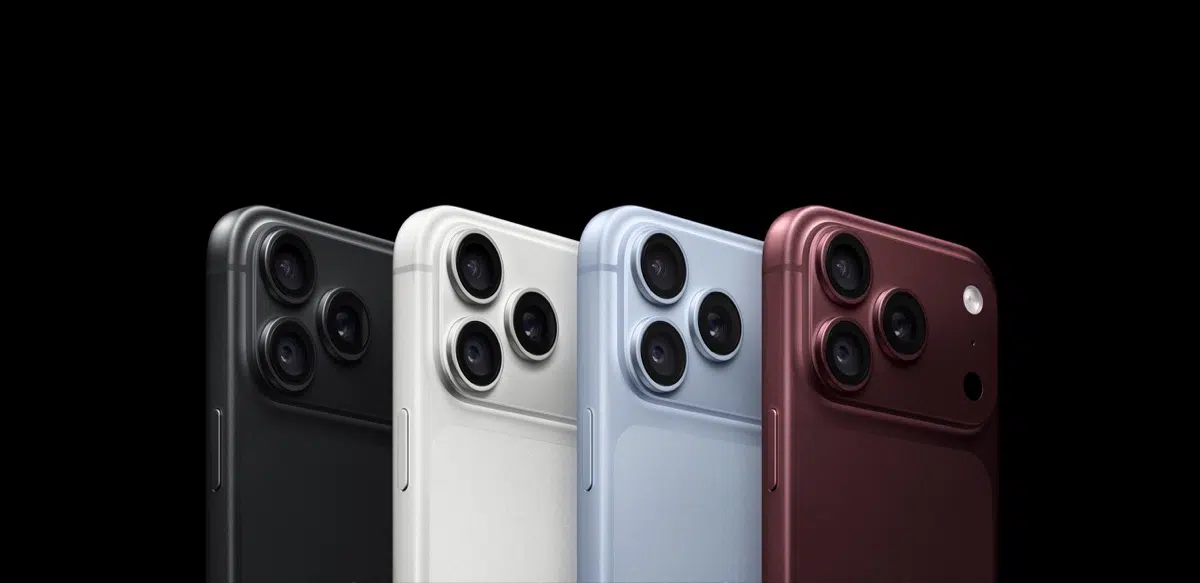
Apple lists Ceramic Shield back glass and Ceramic Shield 2 on the front. The phones also retain Camera Control and the Action button. The 6.3-inch and 6.9-inch Super Retina XDR displays support ProMotion up to 120Hz.
The Dynamic Island is smaller and can show up to three Live Activities at the same time. That could be useful for keeping a score, directions, and music controls visible without switching between apps. Face ID still sits behind the display area for unlocking and authentication.
Apple says A20 Pro is built on the latest 2-nanometer process and has a 6-core CPU, a 7-core GPU with Neural Accelerators, and a Dual 16-core Neural Engine. Apple says the CPU is faster than the competition, while the chip has 50 per cent more memory bandwidth than A19 Pro, a GPU up to 40 per cent faster than A19 Pro, and twice the AI processing power through the new Neural Engine.
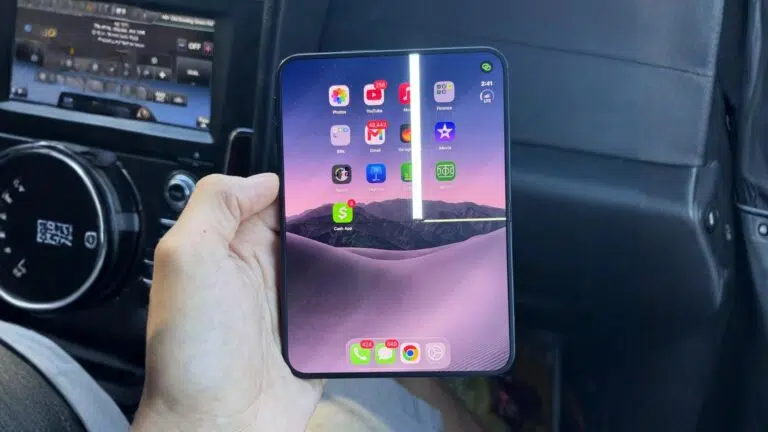
A20 Pro also powers iPhone Duo, Apple’s first foldable iPhone. The two phones have different displays, batteries, and thermal designs, so the same chip does not mean identical performance. Our A20 Pro guide breaks down the chip separately.
Those are Apple comparisons, not independent benchmark results. The same applies to Apple’s thermal claim. The next-generation vapour chamber has three times the surface area of the previous generation, and Apple says it enables up to 40 per cent better sustained performance than iPhone 17 Pro.

If you are weighing the upgrade against the previous generation, iPhone 17 Pro: Everything You Need to Know provides useful context for the earlier chip and cooling design.
Both models also use Apple’s N1 wireless chip, which enables Wi-Fi 7, Bluetooth 6, and Thread. The C2 modem system adds Apple’s stated improvements to cellular quality and reliability, faster uploads than C1X, 15 per cent lower energy use, and mmWave support in the U.S.
The main camera is a 48MP Fusion sensor with a variable aperture. Apple gives it four settings: f/1.48, f/1.8, f/2.8, and f/4.0.
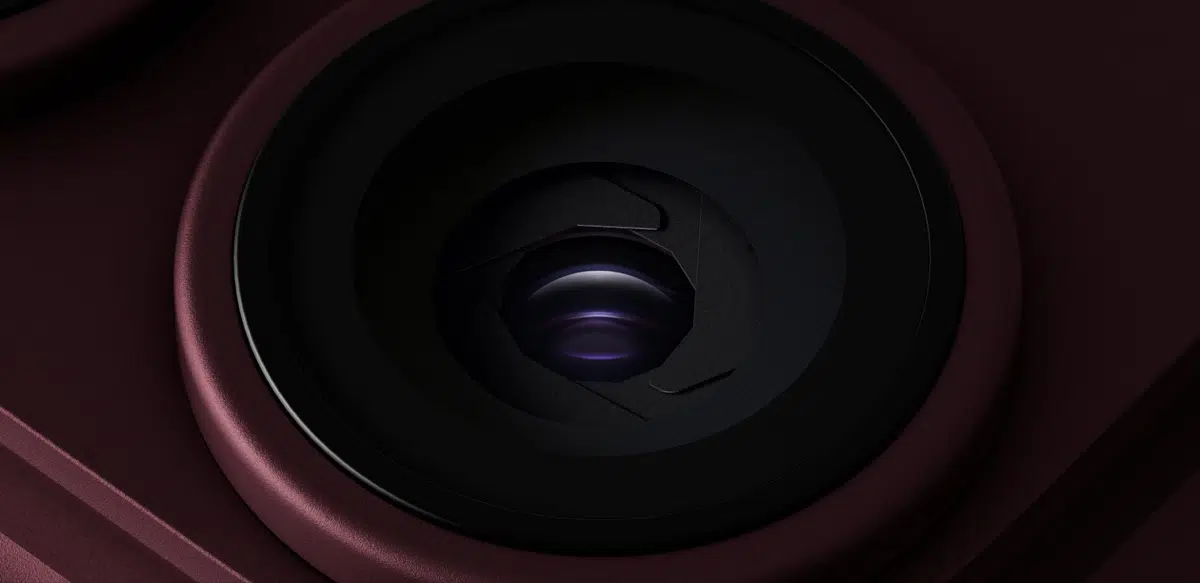
The widest f/1.48 setting lets in more light. The narrower f/4.0 setting gives more depth of field, which can help keep more of a group or scene in focus. The camera can adjust automatically, or you can choose an aperture yourself through the new Pro controls.

The rest of the system includes a 48MP Fusion Ultra Wide camera for 0.5x and macro shots, plus a 48MP Fusion Telephoto camera with 4x and 8x optical-quality zoom options. Apple lists 16x as the total optical-quality zoom range.
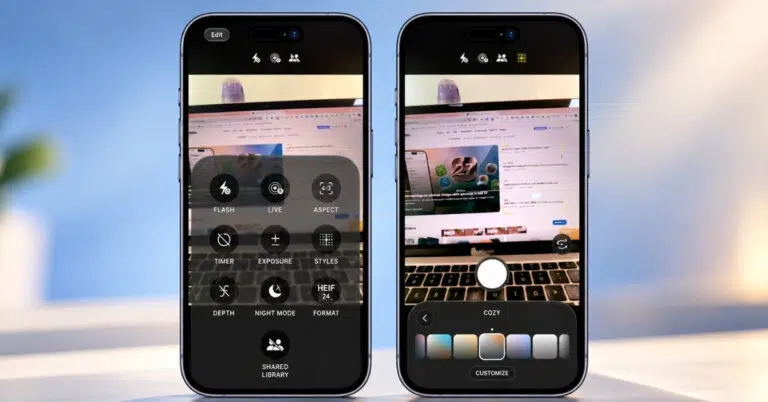
Pro controls put aperture, shutter speed, white balance, and a histogram within easier reach in the Camera app. Photographic Styles 3 adds texture and grain controls alongside tone and color adjustments. Smart focus tracking can keep a moving subject in focus, even when it leaves the frame and returns.

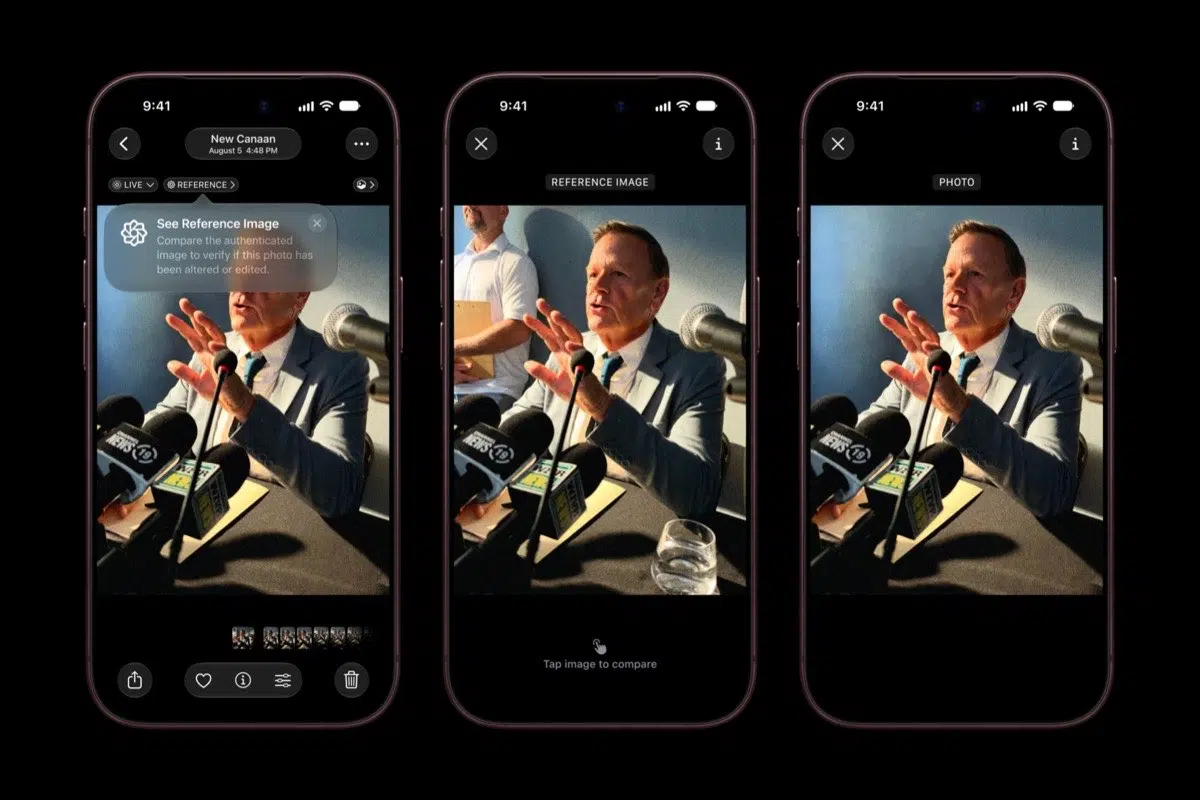
Apple Reference Image is another unusual addition. Apple says the Main camera can sign sensor data at capture, while Private Cloud Compute creates an unalterable reference image that appears beside the main photo in Photos. Users can compare the two images to check whether edits were made.
For a comparison point, the iPhone 17 Pro camera breakdown covers the earlier 48MP camera system and its 4x and 8x optical-quality zoom options.
The new camera system adds several changes that matter beyond still photography:
Both phones also have an 18MP Centre Stage front camera, ultra-stabilised video, and Centre Stage for video calls.
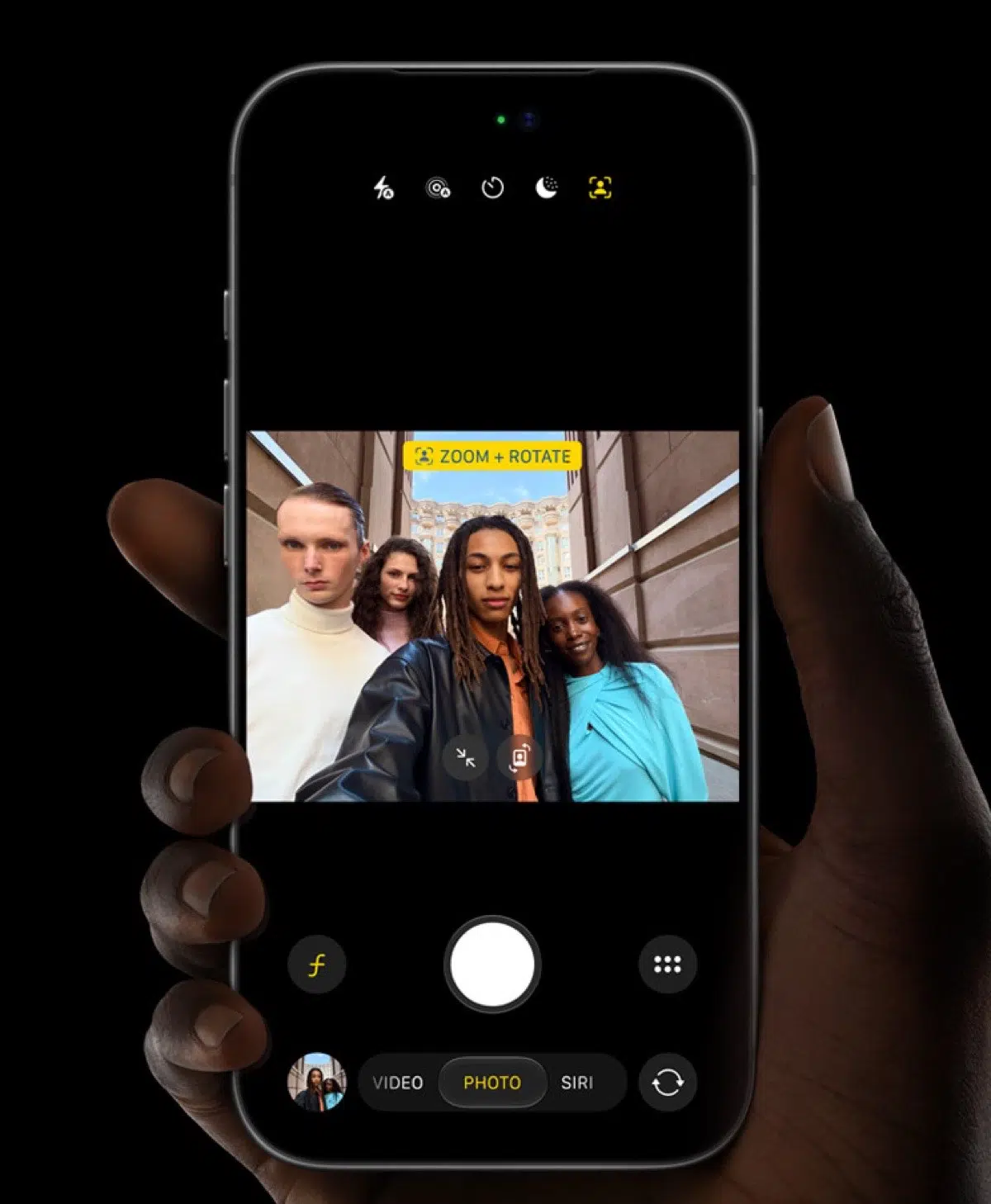
The U.S. iPhone 18 Pro and Pro Max are eSIM-only and do not have a physical SIM tray. Apple says the eSIM-only design leaves room for a larger battery and adds two hours of video playback compared with versions that include a physical SIM tray.
Apple rates the U.S. eSIM-only iPhone 18 Pro for up to 36 hours of video playback and the iPhone 18 Pro Max for up to 45 hours. The Pro Max figure is six hours higher than Apple’s iPhone 17 Pro Max comparison. Apple also lists up to 30 hours of use per charge for the Pro Max under a new battery usage model. That is a different measure from video playback.

Charging is faster, too. Apple says both models can reach 50 percent in around 15 minutes with a compatible power adapter. Wireless charging can reach 50 percent in 30 minutes. On the Pro Max, a five-minute wired charge can provide around seven hours of video playback.
These are Apple’s published battery and charging claims, not a promise of normal daily battery life.
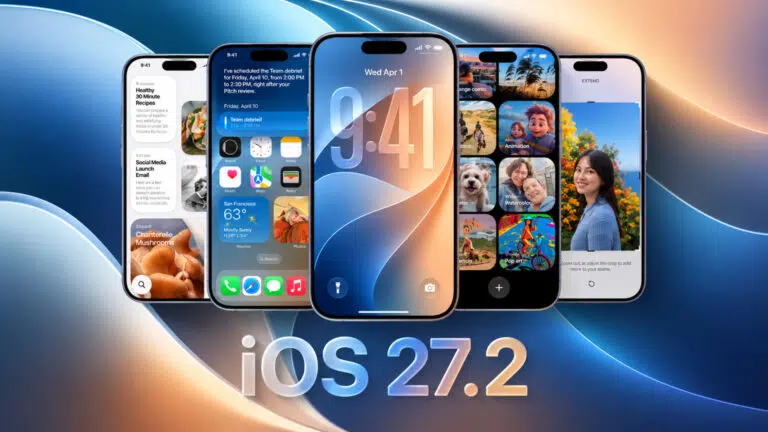
The iPhone 18 Pro models feature iOS 27, Apple Intelligence, and Siri AI. Apple says iOS 27 and Apple Intelligence become available on September 14. Siri AI begins rolling out in beta in English on the same day.
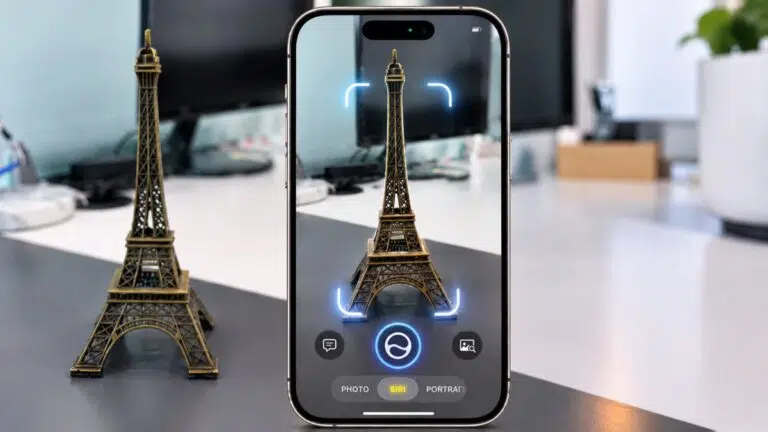
Siri AI can use personal context, take actions in apps, and answer questions about what the camera sees. iOS 27 also brings Apple Intelligence tools for photo editing, Image Playground, Safari, Messages, Mail, and Shortcuts. Apple’s system uses on-device processing and Private Cloud Compute, with availability varying by language and region.
For the wider software picture, Apple Intelligence features in iOS 27 cover the features that will also reach other supported iPhones.
For U.S. shoppers, the split is simple. The iPhone 18 Pro starts at $1,199 with a 6.3-inch display, while the $1,299 Pro Max gives you a 6.9-inch screen and Apple’s up-to-45-hour video playback claim.