FaceTime Like a Pro
Get our exclusive Ultimate FaceTime Guide 📚 — absolutely FREE when you sign up for our newsletter below.

FaceTime Like a Pro
Get our exclusive Ultimate FaceTime Guide 📚 — absolutely FREE when you sign up for our newsletter below.


Expert advice on choosing the right iPhone for you.
Are you planning to buy a new iPhone but can’t decide which one? I get it! The 2026 iPhone lineup is more interesting than ever, which makes choosing the right model harder. You now have the powerful iPhone 18 Pro Max, Apple’s first foldable iPhone Duo, the mainstream iPhone 17, and more affordable options like the iPhone 17e.
To cut through the hype and help you pick the right iPhone for your needs. In this guide, I’ll break down the best iPhone to buy in 2026, from the most powerful flagship to the best foldable, best value option, and the model worth buying if you simply want a thin and lightweight phone.
The best iPhone depends on what you prioritize, whether it’s performance, affordability, camera quality, portability, or a foldable design. Based on the latest 2026 lineup, here’s a quick list of my top picks:
Apple has now pushed the iPhone into a new generation with the iPhone 18 Pro lineup while also entering the foldable market with iPhone Duo.
Let’s examine each iPhone model’s features so you can match them to your requirements. I’ll also share my verdict at the end. To your requirements. We will also share our verdict at the end; therefore, keep reading!
Key specs
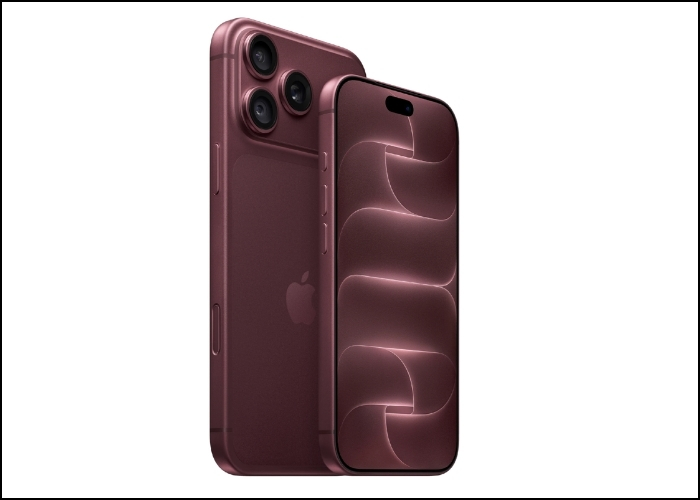
If you want the most powerful traditional iPhone Apple currently makes, the iPhone 18 Pro Max is my clear pick.
The A20 Pro is built on a 2nm process and includes a new 6-core CPU, 7-core GPU, and Dual 16-core Neural Engine. The GPU can be up to 40% faster than the A19 Pro, while the chip has 50% more memory bandwidth. Apple has also improved sustained performance with a redesigned vapor chamber.
The camera system is an even bigger reason to choose the 18 Pro Max over the 17 Pro Max. Its 48MP Fusion Main camera now has a variable aperture, giving you control over depth of field and the amount of light entering the lens. You can manually adjust aperture, shutter speed, and white balance using the new Pro controls.
Battery life is another major advantage. The iPhone 18 Pro Max offers up to 45 hours of video playback on eSIM-only models, making it the longest-lasting iPhone in Apple’s current lineup. I also like the updated Dynamic Island, which can now display up to three Live Activities simultaneously.
The iPhone 18 Pro Max also comes with iOS 27 and the next generation of Apple Intelligence, including the new Siri AI experience. Siri can understand personal context, use onscreen awareness, and interact with what you’re doing on your iPhone.
The downside? The 18 Pro Max is still a large and expensive phone. Starting at $1,299, it is not the obvious choice for casual users. It is also heavy at 249 grams, so anyone who prefers a smaller phone should consider the iPhone 18 Pro instead.
Pros
Cons
Tip: If you want similar Pro-level performance in a smaller body, consider the iPhone 18 Pro instead.
Key specs
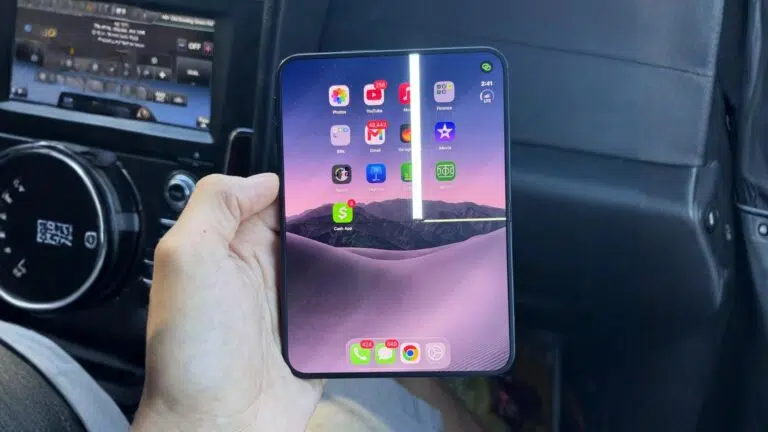
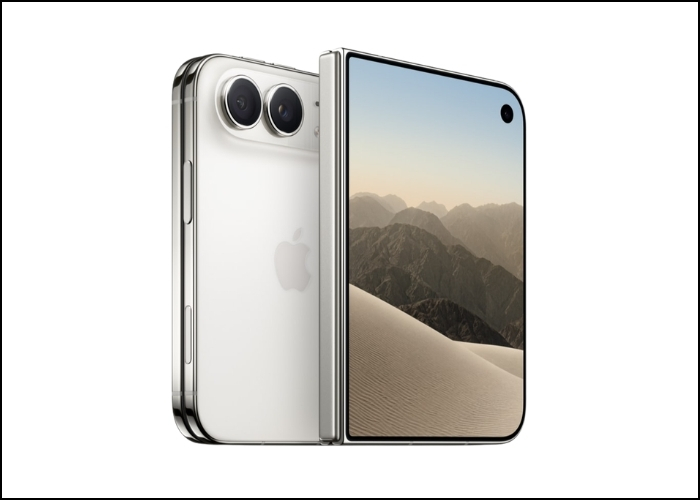
The biggest change to Apple’s iPhone lineup in 2026 isn’t just a faster processor or a better camera. It’s the iPhone Duo, Apple’s first foldable iPhone.
When opened, its 7.6-inch display gives you a much larger canvas for watching videos, reading, gaming, and multitasking. When closed, you get a compact 5.4-inch outer display. Both support ProMotion, Always-On display, HDR, and Dynamic Island. The inner display also has a nano-texture finish designed to reduce glare.
I liked how Apple has adapted iOS 27 for the foldable design. Apps and content can respond as the device folds and unfolds, while the interface has been redesigned to make better use of the larger inner screen. Apple also supports split-screen multitasking and has optimized its own apps for the new form factor.
The Duo is powered by the same A20 Pro family used in the 18 Pro models, so you’re not sacrificing flagship-level performance simply because you’re choosing a foldable. It also supports up to 2TB of storage.
I wouldn’t recommend Duo to everyone, though. At $1,999, it is dramatically more expensive than the traditional iPhone models. At 254 grams, it is also heavier than the iPhone 18 Pro Max.
So, who should buy it? I’d recommend it primarily to people who genuinely want a foldable and will take advantage of the additional screen space. If you’re mainly looking for the fastest iPhone, the 18 Pro Max remains the better value.
Pros
Cons
Tip: Choose iPhone Duo if the foldable experience itself is your priority. If you simply want the fastest, longest-lasting and most capable iPhone, the iPhone 18 Pro Max is still the better choice.
Key specs
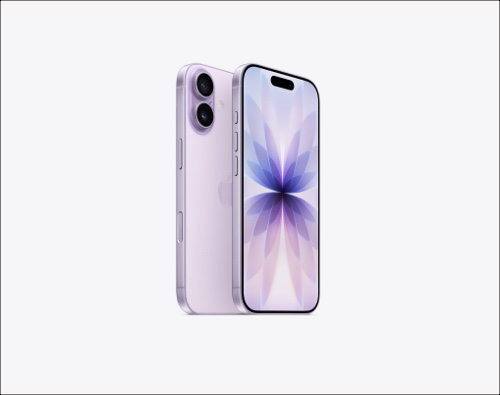
For the 80% of us who want flagship vibes without breaking the bank, the iPhone 17 is the sweet spot. It’s got that just-right size (6.3 inches) for one-handed scrolling, longer battery life, and includes many of the Pro features. When compared to the iPhone 16, you’ll notice smoother scrolling thanks to the ProMotion display with an adaptive refresh rate up to 120Hz.
Moreover, the 48MP Fusion Ultra Wide lets you take better photos, and the camera system offers the new Dual Capture mode and landscape selfies. The front camera now also supports ultra-stabilized videos. Therefore, unless you’re shooting professional-grade video or want a bigger display, the iPhone 17 gives you nearly all the good bits with fewer compromises.
Pros
Cons
Key specs
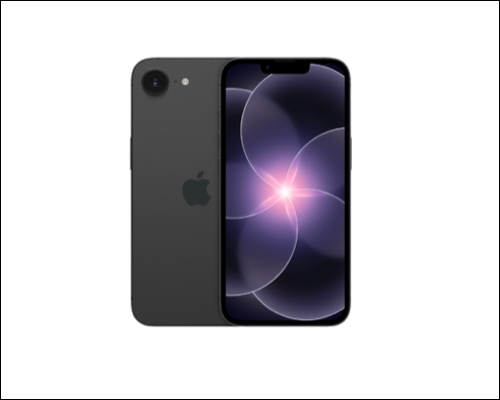
If you’re looking for a value-for-money iPhone that delivers a premium Apple experience on a budget, the iPhone 17e is the perfect choice. It brings A19 chip, Apple Intelligence support, IP68 water resistance 48MP Fusion camera with 2x optical Telephoto and next-generation portraits, MagSafe charging, Apple’s C1X 5G modem, and much more.
Therefore, you will get many of the iPhone 17 features at a more affordable price. However, to keep costs down, Apple sticks with a 60Hz display, a single rear camera, and the older notch design instead of Dynamic Island. You will also miss out on the Camera Control button, ProMotion display, high-speed charging, and several camera functions.
In my view, if you’ve been holding out for an iPhone that’s budget-friendly but still powerful, the iPhone 17e is a no-brainer. It’s a step up from older SE models, with better performance, a good camera, and a sleek design, all without the premium price tag.
Pros
Cons
Key Specs
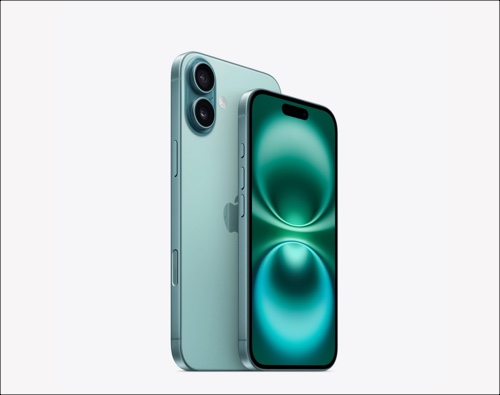
New to iPhones or just want something straightforward and future-proof? The iPhone 16 (last year’s standard, now on sale) is your best bet. It offers a balance between high-end features and a reasonable price. The display is 6.1 inches with 2000 nits peak brightness, which can drop to 1 nit. So, you can enjoy your content in any lighting conditions.
Apple has incorporated the A18 Bionic chip made exclusively for Apple Intelligence. In terms of the camera, the 48MP Fusion primary sensor can capture high-quality images, and the 2x optical-quality Telephoto allows for zooming in. Moreover, it’s Apple’s first modern iPhone with vertical alignment to support Spatial photo and video for Vision Pro.
I personally love the iPhone 16 for its standout color options that set it apart from the latest iPhone models. However, next to the latest iPhone 17, its 60Hz display looks outdated. Also, the battery life and charging are mid. Conclusively, if you want a premium experience without splurging, the iPhone 16 is a fantastic choice.
Pros
Cons
Key Specs
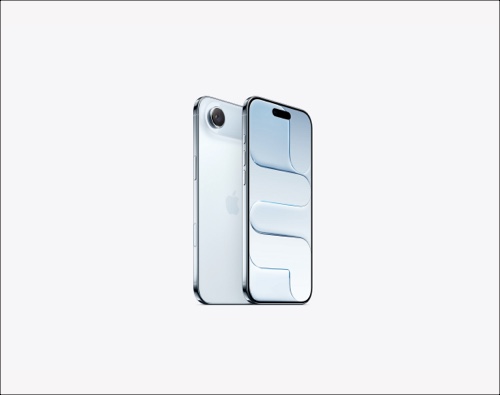
Okay, confession: I’m obsessed with slim gadgets, and the iPhone Air is the wafer-thin wonder I’ve been waiting for. At just 5.6mm thick, it packs all premium Apple features, ideal for minimalists who hate bulk.
The iPhone Air is primarily designed for individuals who value portability and sleekness. It’s super thin, easy to slip into a pocket or small purse, and feels super lightweight in the hand. You still get the latest A19 Pro chip, ProMotion display with anti-reflective coating, a 48MP high-quality camera, and advanced iOS features, all wrapped in a compact form.
That said, the trade-offs include a smaller battery (so shorter usage time), and the device is less suited for heavy gaming or prolonged camera/video use. Additionally, the eSIM-only design may complicate matters for individuals in regions that still heavily rely on physical SIM cards. Also, consider using a good case if you are always on the go.
Pros
Cons
Still torn? Here’s my quick comparison table to match your needs. Prices are starting points and can vary by region.
| Model | Best For | Price Range | Key Features |
|---|---|---|---|
| iPhone 18 Pro Max | Power users | $1,299+ | A20 Pro, advanced 48MP camera with variable aperture, vapor chamber, 6.9-inch display, up to 45 hours video playback |
| iPhone Duo | Foldable fans | $1,999+ | 7.6-inch foldable display, 5.4-inch outer display, A20 Pro, ProMotion, multitasking |
| iPhone 17 | Most people | $899+ | 6.3-inch ProMotion display, A19, strong cameras, excellent everyday performance |
| iPhone 17e | Budget buyers | $699+ | A19, 48MP camera, 256GB base storage |
| iPhone 16 | Beginners | $799+ | A18, solid cameras, Camera Control, Apple Intelligence |
| iPhone Air | Portability | $1,099+ | Ultra-thin design, A19 Pro, ProMotion, lightweight build |
If I had to recommend just one iPhone for maximum capability, I’d choose the iPhone 18 Pro Max. It combines the strongest performance, most advanced traditional iPhone camera system, excellent battery life, and the largest display in the conventional iPhone lineup.
However, if you specifically want a foldable, the iPhone Duo is now the obvious choice because it is Apple’s first foldable iPhone and introduces a completely different way to use iOS.
For most people, I would still pick the iPhone 17 because it offers the best balance between price and features. Budget buyers should look at the 17e, while the iPhone Air is ideal if thinness and portability matter more than maximum performance.
As new iPhone models are released every year, older models can quickly become outdated. So, some devices become less advisable for purchase or continued use. In 2026, several iPhone models are not recommended for various reasons, including a lack of software support, performance limitations, and overall value. Here’s the list:
If you are drawn to buying an iPhone model due to its price tag, consider the refurbished iPhone 15 Pro or Pro Max for access to Apple’s Intelligence features.
When choosing the right iPhone for you, several factors should come into play.
We carry out rigorous tests in order to offer an accurate and comprehensive guide. It examines numerous areas, such as performance, usability, and other functional attributes. The following gives us more detailed information about the testing process we have adopted:
In performing these detailed tests for all iPhone models, we believe that we are able to offer an unbiased analysis. Therefore, let’s say you want to purchase an iPhone but don’t know what model suits your taste; this article will help you decide which one would be ideal for you.
We hope this guide helps you find the best iPhone to buy for yourself in 2026. Choosing the right iPhone comes down to understanding your needs and budget. With this guide, you’re equipped to make the right decision, whether you need a premium powerhouse or a budget-friendly iPhone.
FAQs
The iPhone 18 Pro Max features the most advanced camera system, including a 48MP Fusion main with variable aperture, 48MP Fusion Ultra Wide, and 48MP Fusion telephoto lens. You can record 4K 120fps Dolby Vision videos and apply Cinematic mode effects later. The new Pro controls let you fine-tune the camera like professionals. Moreover, the latest Photographic Styles 3 offers new texture and grain controls. So, it is the best choice for photography enthusiasts.
iPhones generally receive software updates for around 5-6 years, ensuring they remain functional and secure for a long time.
The best places to buy an iPhone include the official Apple Store, authorized retailers, and reputable online platforms such as Best Buy, Walmart, and Amazon.